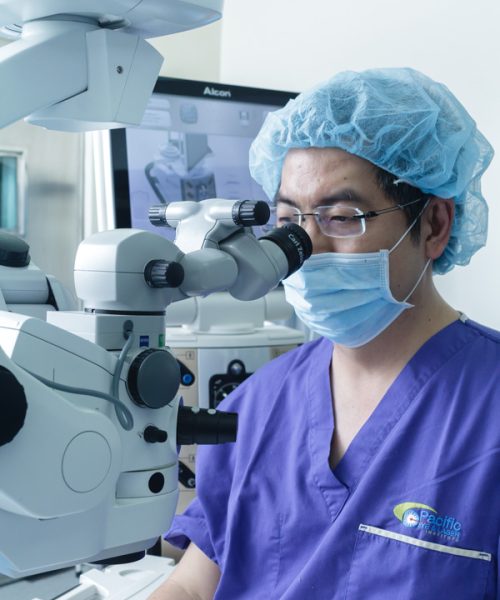
Healthy vision is crucial for every child’s growth, learning, and overall development. Pediatric Eye Care ensures that children can see clearly, interact with their surroundings, and perform well in school and daily activities. At Peregrine Eye and Laser Institute (PELI), specialized pediatric eye care addresses common childhood vision problems, while advanced technology and experienced ophthalmologists provide the highest level of care.
Children’s eyes can develop rapidly, and small issues left untreated may become long-term complications. Regular pediatric eye care allows parents and healthcare professionals to detect and treat conditions early, helping children enjoy a lifetime of healthy vision.
Understanding Pediatric Vision Problems
Children can face a variety of vision issues that differ from adult eye conditions. Some of the most common include blurred vision, strabismus (crossed eyes), and amblyopia (lazy eye). Conditions like pediatric glaucoma or congenital cataracts, though less frequent, require prompt attention. Premature infants may also be born with eyes that are not fully developed, increasing the risk of vision problems.
Pediatric Eye Care specialists watch for signs such as squinting, frequent eye rubbing, difficulty reading, or tilting the head to see clearly. Early recognition of these signs allows for timely treatment, which is critical to prevent permanent vision loss and support proper eye development.
The Importance of Early Detection
Detecting eye problems early provides children with the best chance of maintaining strong vision. Pediatric Eye Care emphasizes regular eye exams to identify conditions before they interfere with learning and daily activities.
Children with untreated vision problems may experience delays in reading, writing, or coordination. Early detection through pediatric eye care allows interventions such as corrective lenses, eye exercises, or surgery, depending on the condition. Catching problems early can reduce the risk of irreversible vision impairment and improve overall quality of life.
Pediatric Eye Care Services at PELI
Peregrine Eye and Laser Institute provides a complete range of pediatric eye care services tailored to meet the needs of children at every stage of development.
Comprehensive Eye Examinations
Routine pediatric eye exams evaluate visual acuity, eye alignment, and overall eye health. These exams can detect refractive errors such as nearsightedness, farsightedness, or astigmatism, ensuring early correction and healthy visual development.
Strabismus Treatment
Strabismus, or crossed eyes, affects many children and can lead to amblyopia if untreated. Pediatric Eye Care at PELI includes non-surgical treatments, corrective lenses, and surgical options when necessary to restore proper eye alignment.
Amblyopia (Lazy Eye) Therapy
Amblyopia occurs when one eye does not develop proper vision, causing the brain to favor the stronger eye. Pediatric Eye Care offers patching, vision therapy, or other interventions to strengthen the weaker eye and improve visual function.
Pediatric Cataract and Glaucoma Care
Children may be born with cataracts or develop glaucoma early in life. PELI provides specialized pediatric eye care, including advanced surgical techniques, careful monitoring, and follow-up care to prevent long-term vision loss.
Eye Care for Premature or At-Risk Infants
Infants born prematurely may experience underdeveloped eyes or other complications. Pediatric Eye Care ensures these children receive specialized attention and early intervention to protect vision and support normal eye growth.
Each pediatric eye care plan at PELI is personalized, ensuring children receive treatments appropriate for their specific needs while prioritizing comfort and safety.
Why Choose Peregrine Eye and Laser Institute for Pediatric Eye Care
PELI combines expertise, technology, and compassionate care to provide unparalleled pediatric eye care. The institute’s ophthalmologists are internationally trained at institutions such as Harvard Medical School, Johns Hopkins University, UCLA, California Pacific Medical Center, University of Wisconsin, and Singapore National Eye Center.
State-of-the-art diagnostic and surgical equipment allows precise evaluation and treatment of even complex eye conditions. Pediatric Eye Care at PELI emphasizes not only effective treatment but also creating a supportive and child-friendly environment. Clinics in Makati, Manila, and Quezon City are designed to reduce anxiety and make visits as comfortable as possible.
Parents are provided with clear guidance on treatment options and preventive measures, ensuring they can actively participate in their child’s eye care journey. The combination of medical expertise, advanced technology, and personalized attention makes PELI a trusted choice for families seeking pediatric eye care.
Pediatric Eye Care Tips for Parents
Parents play a crucial role in supporting their child’s eye health. Encouraging good vision habits early helps prevent future problems.
Schedule Regular Eye Exams
Children should have their first comprehensive eye exam by six months, another at age three, and again before starting school. Afterward, regular exams every one to two years are recommended, or more frequently if advised by a specialist.
Limit Screen Time
Excessive exposure to screens can contribute to eye strain. Encourage children to take breaks, follow the 20-20-20 rule (every 20 minutes, look at an object 20 feet away for 20 seconds), and spend time outdoors to support eye development.
Promote Healthy Nutrition
A balanced diet rich in vitamins A, C, and E, along with omega-3 fatty acids, supports eye health. Foods like carrots, leafy greens, eggs, and fish provide essential nutrients for growing eyes.
Monitor for Warning Signs
Watch for symptoms such as squinting, covering one eye, or frequent headaches. Early recognition of vision problems allows pediatric eye care specialists to intervene before the issue worsens.
Create a Supportive Environment
Provide proper lighting for reading and homework, ensure correct posture, and encourage regular physical activity. Healthy habits contribute to strong vision and overall wellness.
Success Stories in Pediatric Eye Care
Many children treated at PELI have experienced remarkable improvements in vision and quality of life. Strabismus corrected through surgery and vision therapy has helped children achieve proper eye alignment and confidence in daily activities. Early treatment of amblyopia has strengthened weaker eyes and restored balanced vision. Pediatric Eye Care at PELI addresses each child’s unique needs with lasting results.
These success stories highlight the importance of specialized pediatric eye care and demonstrate how timely intervention can transform a child’s experience at school, sports, and home.
Mission-Driven Pediatric Eye Care
PELI is committed to improving the lives of children through expert pediatric eye care. The institute’s mission focuses on three areas:
For Patients: Provide advanced, safe, and compassionate eye care that improves vision and overall quality of life.
For Employees: Offer a professional and supportive environment for staff, encouraging growth in pediatric ophthalmology and continuous learning.
For the Community: Participate in initiatives that prevent vision problems in children and support research and awareness programs to promote eye health.
By maintaining these commitments, PELI ensures children receive consistent, high-quality pediatric eye care that benefits families and communities alike.
FAQ – Pediatric Eye Care
Q: When should my child have their first eye exam?
A: Pediatric Eye Care experts recommend the first comprehensive exam at six months, another at age three, and one before starting school.
Q: How often should children have eye exams?
A: Routine exams every one to two years are advised, or more frequently if recommended by a pediatric eye care specialist.
Q: Can lazy eye or crossed eyes be treated?
A: Yes. Early intervention with corrective lenses, patching, or surgery can improve vision and prevent long-term problems.
Q: What are the signs my child may need an eye exam?
A: Symptoms include squinting, frequent eye rubbing, tilting the head to see clearly, or difficulty reading. Pediatric Eye Care can identify issues even if symptoms are mild.
Q: What makes PELI’s pediatric eye care different?
A: PELI offers internationally trained ophthalmologists, advanced diagnostic and surgical equipment, child-focused care, and personalized treatment plans, providing children with the best possible outcomes.