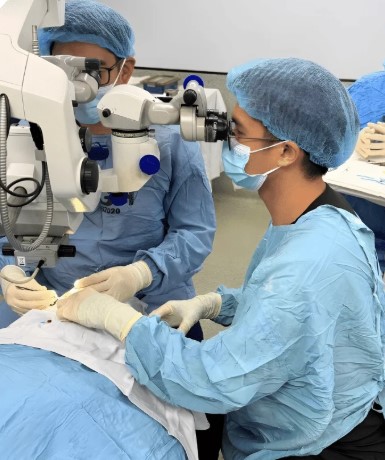
Glaucoma is a serious eye condition that affects millions worldwide and can lead to permanent vision loss if left untreated. Understanding the differences between open-angle glaucoma and angle-closure glaucoma is crucial for early detection and effective management. Consulting experts like Lee Tan Eye Center ensures proper diagnosis and treatment, safeguarding your vision for years to come.
What is Glaucoma?
Glaucoma is a group of eye disorders that damage the optic nerve, often due to elevated intraocular pressure (IOP). This damage can result in irreversible vision loss if not addressed promptly. Regular eye exams are essential to detect Glaucoma early, even before noticeable symptoms appear. Awareness of the types of Glaucoma helps individuals recognize risk factors and take proactive steps to protect their eyesight.
Overview of Open-Angle Glaucoma
Open-angle glaucoma is the most common form of Glaucoma. It occurs when the drainage canals of the eye gradually become less efficient, causing a slow increase in eye pressure. This type of Glaucoma often develops without obvious symptoms, making it easy to overlook until significant vision loss occurs.
Risk factors for open-angle Glaucoma include age, family history, African or Hispanic heritage, and consistently high eye pressure. The condition progresses slowly, usually affecting peripheral vision first, before central vision becomes impaired. Treatments at Lee Tan Eye Center can include medicated eye drops, laser therapy, or surgery to manage intraocular pressure and prevent further optic nerve damage.
Overview of Angle-Closure Glaucoma
Angle-closure glaucoma, while less common, is more urgent. It happens when the drainage angle between the iris and cornea closes suddenly, causing a rapid spike in intraocular pressure. Symptoms appear abruptly and can include severe eye pain, headache, blurred vision, nausea, and halos around lights. This type of Glaucoma can quickly become a medical emergency, requiring immediate intervention to prevent permanent blindness.
Risk factors include age, certain anatomical features of the eye, farsightedness, and Asian ethnicity. Lee Tan Eye Center provides advanced diagnostic tools and emergency care for angle-closure glaucoma, offering treatments such as laser iridotomy or surgical interventions to restore proper eye drainage and relieve pressure.
Key Differences Between Open-Angle and Angle-Closure Glaucoma
Understanding the differences between these two types of Glaucoma is vital for timely detection and treatment.
- Onset: Open-angle Glaucoma develops gradually, while angle-closure Glaucoma often appears suddenly.
- Symptoms: Open-angle is usually painless and asymptomatic in early stages; angle-closure Glaucoma presents with severe eye pain and visual disturbances.
- Risk Factors: Open-angle is linked to age, ethnicity, and high eye pressure; angle-closure is associated with eye anatomy, farsightedness, and Asian descent.
- Treatment Urgency: Open-angle can be managed with routine care; angle-closure requires immediate medical attention to prevent irreversible vision loss.
A comparison table clarifies these differences:
| Feature | Open-Angle Glaucoma | Angle-Closure Glaucoma |
|---|---|---|
| Onset | Gradual | Sudden |
| Symptoms | Often none initially | Severe pain, blurred vision, nausea |
| Risk Factors | Age, family history, ethnicity | Eye anatomy, farsightedness, Asian ethnicity |
| Treatment Urgency | Routine management | Immediate intervention |
Diagnosis and Eye Tests
Proper diagnosis is essential to differentiate between open-angle and angle-closure Glaucoma. Common tests include:
- Tonometry: Measures intraocular pressure.
- Gonioscopy: Examines the drainage angle of the eye.
- Visual Field Test: Detects vision loss patterns.
- Optical Coherence Tomography (OCT): Analyzes the optic nerve and retinal nerve fiber layer.
Lee Tan Eye Center employs advanced diagnostic equipment to ensure accurate detection and differentiation of Glaucoma types, allowing for targeted treatment plans tailored to each patient’s needs.
Treatment Options
Treatment for Glaucoma depends on the type and severity.
- Open-Angle Glaucoma: Typically managed with prescription eye drops to lower eye pressure, laser therapy to improve drainage, or surgical procedures if medication is insufficient.
- Angle-Closure Glaucoma: Requires emergency management, often involving laser iridotomy to create a new drainage pathway, and sometimes surgical intervention. Rapid treatment is critical to prevent permanent vision loss.
Regular follow-ups at Lee Tan Eye Center ensure treatment effectiveness, monitor eye pressure, and adjust care as needed to maintain healthy vision.
Prevention and Eye Care Tips
While some risk factors for Glaucoma are unavoidable, certain steps can help protect your eyes:
- Schedule regular eye exams to catch Glaucoma early.
- Maintain healthy eye pressure through medication or lifestyle choices.
- Adopt a balanced diet rich in nutrients that support eye health.
- Exercise regularly and avoid smoking to reduce overall risk.
Consulting specialists at Lee Tan Eye Center for guidance and personalized care enhances the chances of preventing Glaucoma-related vision loss.
Why Choose Lee Tan Eye Center for Glaucoma Care
Lee Tan Eye Center stands out as a trusted provider for comprehensive Glaucoma care. Their team of expert ophthalmologists specializes in both open-angle and angle-closure Glaucoma, using state-of-the-art technology for precise diagnosis and effective treatment. Patients benefit from personalized care plans, ensuring their eye health is managed with the utmost expertise and attention.
FAQ
What is the difference between open-angle and angle-closure Glaucoma?
Open-angle develops slowly with few early symptoms, while angle-closure occurs suddenly and can be painful, requiring immediate attention.
Can angle-closure Glaucoma lead to sudden blindness?
Yes, untreated angle-closure Glaucoma can cause rapid vision loss. Immediate intervention is critical.
How is open-angle Glaucoma treated?
Treatment may include eye drops, laser therapy, or surgery to lower intraocular pressure and protect the optic nerve.
Who is at risk for Glaucoma?
Risk factors include age, family history, ethnicity, certain eye anatomies, and high eye pressure.
How often should I have an eye exam for Glaucoma?
Regular checkups every 1-2 years are recommended, or more frequently if you have risk factors.