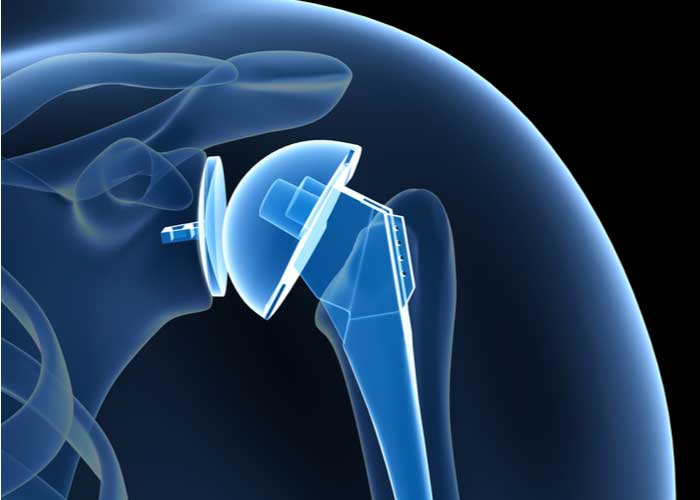
Total Shoulder Reconstruction serves as a surgical solution for individuals suffering from severe shoulder joint damage that no longer responds to medication, therapy, or activity modification. This procedure focuses on replacing damaged joint surfaces with artificial components to restore movement and reduce pain.
Patients from Bicol, Naga City, Legazpi City, Camarines Sur, and nearby areas often seek care when shoulder pain begins to interfere with sleep, work, sports, and daily routines. Total Shoulder Reconstruction offers a path toward improved shoulder function for individuals with advanced joint degeneration or complex shoulder injuries.
At Lao Orthopedic Clinic, patients receive specialized evaluation and treatment for shoulder conditions, guided by the expertise of Dr. Lawrence Lao, an orthopedic surgeon with extensive experience in joint reconstruction and sports-related injuries.
Understanding the Shoulder Joint and Total Shoulder Reconstruction
The shoulder joint allows a wide range of motion, making it one of the most mobile joints in the body. This mobility also makes it more vulnerable to wear, injury, and instability over time.
Total Shoulder Reconstruction involves replacing the damaged parts of the shoulder joint, typically the humeral head and the glenoid surface, with prosthetic components designed to restore smoother joint movement.
The main goals of Total Shoulder Reconstruction include:
- Reduction of chronic shoulder pain
- Improvement of shoulder mobility
- Restoration of functional strength
- Support for daily activities without discomfort
Patients considering Total Shoulder Reconstruction often experience long-term joint damage that affects both movement and quality of life.
Conditions That May Require Total Shoulder Reconstruction
Several medical conditions may lead to the need for Total Shoulder Reconstruction. These conditions often progress gradually and may worsen without appropriate treatment.
Shoulder Osteoarthritis
Shoulder osteoarthritis occurs when the cartilage protecting the joint wears down over time. This leads to bone-on-bone friction, causing pain and stiffness. Total Shoulder Reconstruction becomes an option when conservative care no longer provides relief.
Rheumatoid Arthritis
Rheumatoid arthritis causes inflammation in the joint lining, leading to cartilage damage and deformity. Total Shoulder Reconstruction may help restore function and reduce long-term discomfort.
Severe Shoulder Fractures
Complex fractures involving the shoulder joint may not heal properly with non-surgical care. Total Shoulder Reconstruction may be recommended when joint surfaces are significantly damaged.
Rotator Cuff Tear Arthropathy
Long-standing rotator cuff tears can lead to joint degeneration and instability. Total Shoulder Reconstruction, especially reverse shoulder options, may help restore shoulder movement.
Avascular Necrosis
Avascular necrosis occurs when blood flow to the shoulder bone is reduced, leading to bone collapse. Total Shoulder Reconstruction may be needed when structural damage becomes severe.
Failed Previous Shoulder Surgery
Some patients who have undergone earlier shoulder procedures may continue to experience pain or limited movement. Total Shoulder Reconstruction may be considered as a revision option.
Signs You May Need Total Shoulder Reconstruction
Patients who may benefit from Total Shoulder Reconstruction often experience a combination of symptoms that affect daily living.
Common signs include:
- Persistent shoulder pain even at rest
- Pain that worsens at night
- Difficulty lifting the arm overhead
- Reduced shoulder range of motion
- Grinding or clicking sensations during movement
- Weakness when carrying objects
- Difficulty with dressing or grooming
- Ongoing stiffness that limits daily activity
When these symptoms continue despite therapy or medication, Total Shoulder Reconstruction may be discussed as a treatment option.
Types of Total Shoulder Reconstruction
Different surgical approaches may be recommended depending on the condition of the shoulder joint and surrounding tissues.
Total Shoulder Replacement
Total Shoulder Replacement involves replacing both the humeral head and the glenoid socket. This option is commonly recommended when both joint surfaces are affected by arthritis or degeneration.
Reverse Total Shoulder Reconstruction
Reverse Total Shoulder Reconstruction changes the normal structure of the shoulder joint. This option is often recommended when rotator cuff muscles are severely damaged. It allows other muscles to assist with shoulder movement.
Partial Shoulder Replacement
Partial shoulder procedures replace only the damaged portion of the joint. This may be considered when damage is limited to one area of the shoulder.
Each case is carefully evaluated before recommending the most appropriate form of Total Shoulder Reconstruction.
Diagnosis and Evaluation for Total Shoulder Reconstruction
Proper evaluation plays a key role in determining whether Total Shoulder Reconstruction is needed. At Lao Orthopedic Clinic, assessment typically includes:
- Detailed medical history review
- Physical examination of shoulder movement and strength
- X-ray imaging to assess bone condition
- MRI scans to evaluate soft tissue damage
- CT scans when detailed surgical planning is required
These assessments help identify the severity of joint damage and guide decisions regarding Total Shoulder Reconstruction.
What Happens During Total Shoulder Reconstruction
Total Shoulder Reconstruction is performed in a hospital setting under anesthesia. The procedure generally involves removing damaged bone and cartilage, then replacing them with prosthetic components designed to mimic natural joint movement.
Steps may include:
- Preparation and anesthesia
- Accessing the shoulder joint through a surgical approach
- Removing damaged joint surfaces
- Placing prosthetic components in the humerus and socket
- Adjusting soft tissues for stability
- Closing the surgical area
The surgical plan for Total Shoulder Reconstruction is tailored to each patient’s condition and functional goals.
Recovery After Total Shoulder Reconstruction
Recovery following Total Shoulder Reconstruction varies depending on the individual and the complexity of the procedure.
Early Recovery Phase
During the first few days, pain control and arm protection are priorities. A sling is often used to support the shoulder.
Rehabilitation Phase
Physical therapy begins gradually to help restore movement. Exercises focus on improving flexibility and preventing stiffness.
Functional Recovery
Over time, patients regain strength and improve shoulder function. Activities of daily living become easier as healing progresses.
Long-Term Recovery
Full recovery after Total Shoulder Reconstruction may take several months. Continued therapy supports long-term shoulder function and stability.
Benefits of Total Shoulder Reconstruction
Total Shoulder Reconstruction provides several benefits for patients with advanced shoulder joint damage.
These benefits include:
- Significant reduction in chronic pain
- Improved shoulder movement
- Better ability to perform daily activities
- Increased independence
- Improved sleep quality
- Enhanced quality of life
Many patients experience meaningful improvement in shoulder function after Total Shoulder Reconstruction.
Risks and Considerations of Total Shoulder Reconstruction
As with any major surgery, Total Shoulder Reconstruction carries potential risks. These may include:
- Infection
- Implant wear over time
- Shoulder stiffness
- Nerve irritation
- Joint instability
- Need for additional procedures
Careful surgical planning, proper rehabilitation, and follow-up care help reduce these risks.
Who May Be a Good Candidate for Total Shoulder Reconstruction
Total Shoulder Reconstruction may be considered for individuals who:
- Have severe shoulder arthritis or joint damage
- Experience persistent pain affecting daily life
- Have limited improvement with non-surgical care
- Are medically fit for surgery
- Have realistic expectations about recovery
A thorough consultation helps determine whether Total Shoulder Reconstruction is appropriate.
Why Choose Lao Orthopedic Clinic for Total Shoulder Reconstruction
Lao Orthopedic Clinic provides specialized care for patients needing Total Shoulder Reconstruction and other orthopedic procedures.
Dr. Lawrence Lao brings 16 years of experience in orthopedic medicine, with advanced training in:
- Orthopedic Traumatology
- Hip and Knee Reconstruction
- Sports Surgery and Arthroscopy
His clinical focus includes complex joint reconstruction, sports injuries, and minimally invasive orthopedic procedures.
Patients from Bicol, Naga City, Legazpi City, Camarines Sur, and surrounding provinces seek care for shoulder conditions due to:
- Comprehensive orthopedic evaluation
- Individualized treatment planning
- Experience in advanced reconstruction procedures
- Commitment to restoring mobility and function
Total Shoulder Reconstruction at Lao Orthopedic Clinic is guided by careful assessment and patient-centered planning.
Total Shoulder Reconstruction in Bicol and Nearby Areas
Access to specialized orthopedic care plays an important role in managing advanced shoulder conditions. Patients experiencing long-term shoulder pain in Bicol and nearby regions benefit from early consultation and proper diagnosis.
Total Shoulder Reconstruction may help restore function for individuals who struggle with daily activities due to shoulder joint damage.
Frequently Asked Questions About Total Shoulder Reconstruction
What is Total Shoulder Reconstruction?
Total Shoulder Reconstruction is a surgical procedure that replaces damaged parts of the shoulder joint with artificial components to improve movement and reduce pain.
How long does recovery take after Total Shoulder Reconstruction?
Recovery after Total Shoulder Reconstruction may take several months. Physical therapy plays an important role in restoring movement and strength.
Is Total Shoulder Reconstruction painful?
Some discomfort is expected after surgery, but pain is managed through medication and gradual rehabilitation.
Who needs Total Shoulder Reconstruction?
Patients with severe shoulder arthritis, major fractures, or long-term joint damage that does not improve with non-surgical treatment may need Total Shoulder Reconstruction.
Can I return to normal activities after Total Shoulder Reconstruction?
Many patients return to daily activities with improved comfort after recovery from Total Shoulder Reconstruction, depending on healing progress and rehabilitation.
How long does a shoulder implant last after Total Shoulder Reconstruction?
Shoulder implants used in Total Shoulder Reconstruction can last many years, depending on activity level and overall health.
Where can I get Total Shoulder Reconstruction in Bicol?
Patients in Bicol, including Naga City, Legazpi City, and Camarines Sur, may consult Lao Orthopedic Clinic for evaluation and management of shoulder conditions requiring Total Shoulder Reconstruction.