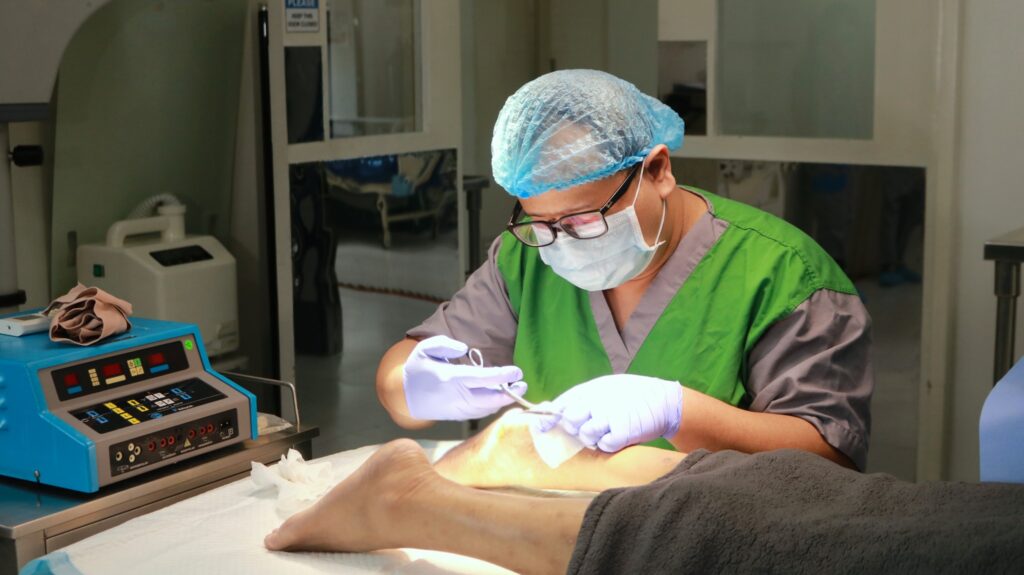
Pressure ulcers are a significant healthcare challenge, affecting patients who are bedridden, immobile, or have chronic conditions. Effective Pressure Ulcer Management is essential not only to improve patient comfort but also to prevent complications such as infections, prolonged hospital stays, and decreased quality of life. Among the most effective advancements in wound care, Negative Pressure Wound Therapy (NPWT) has emerged as a game-changer, offering accelerated healing and better clinical outcomes. For individuals seeking expert care, KALINGAP Wound Care Clinic stands out as a leading provider specializing in comprehensive Pressure Ulcer Management using advanced therapies like NPWT.
Understanding Pressure Ulcers
Pressure ulcers, also known as bedsores or decubitus ulcers, occur when sustained pressure on the skin and underlying tissues reduces blood flow, leading to tissue damage. They are commonly classified into four stages, ranging from mild redness in Stage I to full-thickness tissue loss in Stage IV. Effective Pressure Ulcer Management requires accurate assessment, timely intervention, and a combination of therapeutic strategies. Risk factors include prolonged immobility, advanced age, malnutrition, incontinence, and underlying chronic illnesses. While traditional approaches such as repositioning, protective dressings, and infection control remain important, advanced therapies like NPWT have transformed the approach to Pressure Ulcer Management.
What is Negative Pressure Therapy?
Negative Pressure Wound Therapy is a medical treatment that uses a controlled vacuum to promote wound healing. The system typically consists of a specialized foam or gauze dressing placed over the ulcer, sealed with an adhesive film, and connected to a vacuum pump that applies consistent negative pressure. This process removes excess fluid, reduces edema, promotes blood flow, and encourages the formation of healthy granulation tissue. Unlike conventional dressings, NPWT creates an optimal environment for faster and more efficient healing, making it a critical component of modern Pressure Ulcer Management strategies.
How Negative Pressure Therapy Helps Pressure Ulcers
Negative Pressure Therapy offers multiple benefits for Pressure Ulcer Management. By continuously removing wound exudate, NPWT reduces the risk of bacterial colonization and infection. The vacuum stimulation enhances the growth of granulation tissue, accelerating the healing process. It also maintains a moist wound environment, which is crucial for tissue regeneration while minimizing the frequency of dressing changes, thereby improving patient comfort. Studies consistently show that NPWT significantly reduces healing time for pressure ulcers compared to traditional dressings, making it an essential tool in advanced wound care.
Clinical Evidence and Studies
Clinical research supports the efficacy of NPWT in Pressure Ulcer Management. Multiple studies report higher healing rates, reduced infection risk, and shorter hospital stays for patients treated with Negative Pressure Therapy. For example, patients with Stage III and IV pressure ulcers experience faster wound closure and improved tissue quality when NPWT is integrated into their care plan. The evidence highlights the importance of combining NPWT with proper nutrition, infection control, and skilled monitoring to achieve optimal results. Clinics like KALINGAP Wound Care Clinic utilize these evidence-based practices to ensure the best outcomes for their patients.
Indications and Patient Selection
Not every patient with a pressure ulcer is an immediate candidate for NPWT. Ideal cases for Negative Pressure Therapy include Stage II to IV ulcers, wounds with moderate to heavy exudate, and ulcers that require accelerated granulation tissue formation. Contraindications include untreated osteomyelitis, malignancy within the wound, and exposed blood vessels or organs. Careful patient selection is essential for effective Pressure Ulcer Management. Skilled wound care providers, such as those at KALINGAP Wound Care Clinic, perform thorough assessments to determine whether NPWT is suitable and safe for each individual patient.
Step-by-Step Application of NPWT
Effective Pressure Ulcer Management using NPWT requires meticulous application. The wound is first cleaned and measured, and the dressing is carefully shaped to fit the ulcer. The foam or gauze is placed into the wound bed, covered with a secure adhesive film, and connected to a vacuum pump that provides controlled negative pressure. Settings vary depending on wound type and patient needs, and dressings are typically changed every 48 to 72 hours. Continuous monitoring ensures proper healing and prevents complications. With expert guidance from KALINGAP Wound Care Clinic, patients benefit from skilled application, consistent monitoring, and adjustments that optimize NPWT outcomes.
Challenges and Considerations
While NPWT is highly effective, there are practical considerations for Pressure Ulcer Management. The therapy can be costly and may require specialized equipment and trained personnel. Some patients may experience discomfort or require assistance to remain mobile while using the system. Awareness of these challenges, along with professional supervision, ensures that Negative Pressure Therapy delivers maximum benefits without complications. Clinics like KALINGAP Wound Care Clinic address these challenges by providing personalized care plans and ongoing support to ensure successful treatment.
Future of NPWT in Pressure Ulcer Management
Negative Pressure Therapy continues to evolve with technological advancements. Portable NPWT devices, smart sensors for fluid management, and integration with antimicrobial or growth factor dressings are enhancing the effectiveness of Pressure Ulcer Management. The combination of technology, expertise, and evidence-based practices promises even better outcomes for patients with chronic or severe ulcers. Clinics dedicated to advanced wound care, such as KALINGAP Wound Care Clinic, remain at the forefront of implementing these innovations.
Takeaway
Negative Pressure Therapy is revolutionizing Pressure Ulcer Management by accelerating healing, reducing infection risk, and improving patient comfort. It is most effective when administered by trained professionals who understand the nuances of wound care. For patients seeking reliable and advanced care, KALINGAP Wound Care Clinic offers expert NPWT services as part of comprehensive Pressure Ulcer Management programs. With skilled assessment, personalized care plans, and the latest technology, patients can achieve faster recovery and better quality of life.
FAQ
What is Negative Pressure Therapy?
Negative Pressure Therapy (NPWT) is a wound care method that uses controlled suction to remove fluid, reduce swelling, and stimulate tissue regeneration.
How does NPWT help with pressure ulcers?
NPWT accelerates healing by promoting granulation tissue formation, maintaining a moist wound environment, and reducing infection risk, making it highly effective in Pressure Ulcer Management.
Who can benefit from NPWT?
Patients with Stage II to IV pressure ulcers, moderate to heavy wound exudate, or ulcers that are slow to heal are ideal candidates for NPWT.
Are there risks or side effects of NPWT?
Minor discomfort, skin irritation, and potential bleeding are possible. Proper assessment and monitoring by trained professionals, like those at KALINGAP Wound Care Clinic, mitigate these risks.
Why choose KALINGAP Wound Care Clinic for Pressure Ulcer Management?
KALINGAP Wound Care Clinic combines advanced NPWT technology, skilled clinical staff, and personalized care plans to provide the most effective Pressure Ulcer Management available.