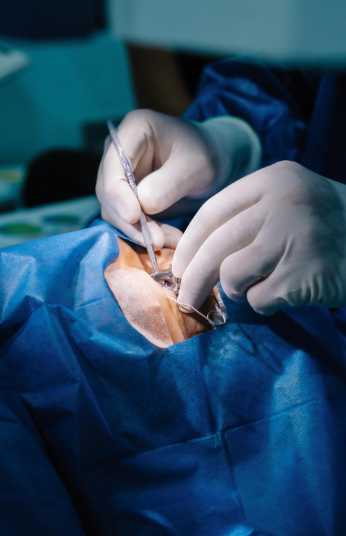
Glaucoma is one of the leading causes of irreversible vision loss worldwide. This eye condition damages the optic nerve, often due to increased pressure inside the eye. Without proper care and timely intervention, glaucoma can gradually reduce peripheral vision and eventually lead to blindness. Because of these risks, early diagnosis and effective Glaucoma Treatment are essential to preserving long-term eye health.
Medical treatments such as prescription eye drops and medications often serve as the first line of defense against glaucoma. However, certain cases require surgical intervention to control eye pressure more effectively. Advances in ophthalmic technology have significantly improved the way specialists perform Glaucoma Treatment, offering safer procedures, quicker recovery times, and better long-term outcomes for patients.
Patients seeking reliable and advanced Glaucoma Treatment can benefit from the expertise and modern facilities provided by Peregrine Eye and Laser Institute, a trusted provider of specialized eye care services.
Understanding Glaucoma and Why Surgery May Be Needed
What Is Glaucoma?
Glaucoma refers to a group of eye conditions that damage the optic nerve, which is responsible for transmitting visual information from the eye to the brain. Elevated intraocular pressure is the most common cause of optic nerve damage in glaucoma patients. When fluid within the eye cannot drain properly, pressure builds up and gradually affects vision.
Effective Glaucoma Treatment focuses on reducing eye pressure to prevent further damage to the optic nerve. Early detection is important because glaucoma often progresses slowly without noticeable symptoms in its early stages.
Symptoms and Risk Factors
Many people with glaucoma may not notice symptoms until the disease has already advanced. Vision loss often begins with peripheral vision and progresses slowly over time. Some individuals may experience blurred vision, halos around lights, or eye discomfort.
Risk factors that increase the likelihood of developing glaucoma include aging, family history of glaucoma, diabetes, hypertension, and previous eye injuries. Regular eye examinations play an important role in identifying glaucoma early and starting appropriate Glaucoma Treatment before significant vision loss occurs.
When Is Surgery Recommended for Glaucoma Treatment?
Surgical Glaucoma Treatment is typically recommended when medications and eye drops fail to control intraocular pressure. Doctors may also recommend surgery when glaucoma progresses rapidly or when patients experience severe side effects from medication.
Surgery aims to create new drainage pathways or improve the eye’s natural fluid drainage system to maintain safe eye pressure levels.
Traditional Surgical Methods for Glaucoma Treatment
Trabeculectomy
Trabeculectomy is one of the most widely used surgical procedures for Glaucoma Treatment. This procedure creates a small opening in the eye that allows fluid to drain more effectively, reducing pressure inside the eye.
Although trabeculectomy has been successful for many patients, it requires careful postoperative management and regular monitoring to maintain optimal results.
Glaucoma Drainage Devices (Tube Shunts)
Another traditional method for Glaucoma Treatment involves the use of glaucoma drainage devices, commonly known as tube shunts. These small implants help regulate the flow of fluid from the eye, preventing pressure buildup.
Tube shunts are often recommended for patients who have not responded well to previous glaucoma surgeries or who have more advanced stages of the disease.
Limitations of Traditional Procedures
Traditional glaucoma surgeries can be highly effective but may involve longer recovery times and potential complications. Patients may need extended follow-up care and monitoring to ensure proper healing and pressure control. Because of these limitations, ophthalmology specialists continue to develop newer surgical approaches for Glaucoma Treatment.
Modern Surgical Advances in Glaucoma Treatment
Minimally Invasive Glaucoma Surgery (MIGS)
Minimally Invasive Glaucoma Surgery, commonly known as MIGS, represents one of the most significant advancements in modern Glaucoma Treatment. MIGS procedures use tiny surgical instruments and microscopic incisions to improve fluid drainage in the eye.
Benefits of MIGS include reduced surgical trauma, faster recovery time, and fewer complications compared to traditional glaucoma surgery. Many patients can return to normal activities sooner while still achieving effective pressure control.
Laser-Based Glaucoma Procedures
Laser technology has become an important tool in modern Glaucoma Treatment. Laser procedures can enhance the eye’s natural drainage system and help lower intraocular pressure without the need for traditional incisions.
Laser treatments are often quick and minimally invasive, making them a convenient option for many glaucoma patients. These procedures are usually performed in an outpatient setting and require little recovery time.
Implantable Micro Devices
Recent innovations have introduced tiny implantable devices designed specifically for Glaucoma Treatment. These micro devices help regulate fluid flow within the eye and maintain stable intraocular pressure levels.
Because these devices are extremely small, they can often be inserted through minimally invasive techniques, offering improved comfort and safety for patients.
Combined Cataract and Glaucoma Surgery
Many patients who require Glaucoma Treatment also develop cataracts. Modern surgical techniques now allow ophthalmologists to address both conditions during a single procedure.
Combining cataract surgery with glaucoma surgery can improve visual clarity while simultaneously reducing eye pressure. This approach reduces the need for multiple surgeries and simplifies recovery for patients.
Benefits of Modern Glaucoma Surgery
Faster Recovery Time
Modern surgical innovations have significantly shortened recovery times for Glaucoma Treatment. Minimally invasive techniques allow patients to heal more quickly and return to normal activities sooner.
Improved Safety
Advanced surgical tools and imaging technology have made Glaucoma Treatment safer than ever before. Surgeons can perform procedures with greater precision, reducing the risk of complications.
Long-Term Eye Pressure Control
Many modern glaucoma surgeries provide long-term control of intraocular pressure. Successful Glaucoma Treatment can reduce the need for daily medications and protect the optic nerve from further damage.
Choosing the Right Eye Specialist for Glaucoma Treatment
Selecting the right ophthalmology clinic is an important step in receiving effective Glaucoma Treatment. Skilled specialists with extensive experience in glaucoma management can evaluate each patient’s condition and recommend the most appropriate treatment plan.
Facilities that offer advanced diagnostic technology and modern surgical equipment can also improve the overall success of glaucoma procedures. Patients seeking expert Glaucoma Treatment often trust Peregrine Eye and Laser Institute for comprehensive glaucoma care, advanced surgical techniques, and personalized patient management.
Preparing for Glaucoma Surgery
Proper preparation helps ensure the best possible results from Glaucoma Treatment. Patients typically undergo a comprehensive eye examination and several diagnostic tests to determine the most suitable surgical option.
Doctors may provide specific instructions before surgery, such as adjusting medications or avoiding certain activities. Understanding the surgical process and following postoperative guidelines are essential for successful recovery.
Follow-up visits allow eye specialists to monitor healing and confirm that eye pressure remains within a safe range.
Future Innovations in Glaucoma Treatment
Medical research continues to push the boundaries of Glaucoma Treatment. Scientists and ophthalmologists are developing new surgical tools, improved implantable devices, and more advanced laser systems.
Emerging technologies may allow doctors to detect glaucoma earlier and perform highly targeted treatments that further reduce the risk of vision loss. As innovations continue to evolve, patients can expect even more effective options for protecting their eyesight.
Takeaway
Advancements in surgical techniques have transformed the way doctors approach Glaucoma Treatment. Modern procedures offer safer alternatives, shorter recovery periods, and more effective control of intraocular pressure. These improvements help patients maintain their vision and reduce the risk of long-term complications.
Seeking professional care from experienced specialists is essential for achieving successful results. Patients who require advanced Glaucoma Treatment can rely on the expertise and modern facilities provided by Peregrine Eye and Laser Institute, a trusted provider of specialized eye care solutions.
Frequently Asked Questions
What is the newest surgical option for Glaucoma Treatment?
Minimally Invasive Glaucoma Surgery (MIGS) is one of the newest approaches to Glaucoma Treatment. It uses tiny instruments and smaller incisions, which can lead to faster recovery and fewer complications compared to traditional surgery.
Is Glaucoma Treatment permanent?
Glaucoma cannot be completely cured, but proper Glaucoma Treatment can effectively control eye pressure and prevent further damage to the optic nerve. Regular monitoring is still necessary even after surgery.
How long does it take to recover from glaucoma surgery?
Recovery time depends on the type of Glaucoma Treatment performed. Minimally invasive procedures may require only a few days to a few weeks of recovery, while traditional surgeries may take longer.
Is glaucoma surgery painful?
Most glaucoma surgeries are performed using local anesthesia, which minimizes discomfort during the procedure. Patients may experience mild irritation or sensitivity during recovery, but this usually improves quickly.
Who is a good candidate for surgical Glaucoma Treatment?
Patients whose eye pressure cannot be controlled with medications or eye drops may be candidates for surgical Glaucoma Treatment. An experienced ophthalmologist can evaluate each case and recommend the most appropriate treatment option.