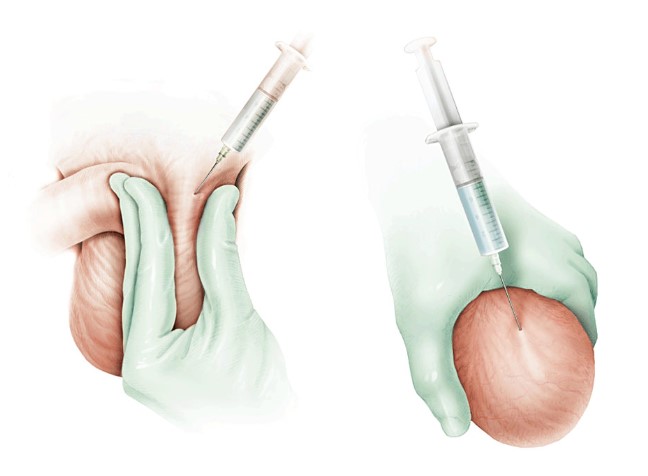
Hydrocele removal is a common surgical procedure performed to treat fluid buildup around the testicles, which can cause discomfort, swelling, or restricted mobility. While hydrocele removal is generally safe, proper post-operative care is crucial to prevent complications and ensure a smooth recovery. Patients who follow the recommended guidelines from trusted medical providers, like The Specialists Surgery & Cancer Center, can significantly reduce the risk of issues after surgery and enjoy better long-term outcomes.
Understanding Hydrocele Surgery
Hydrocele removal, also known as hydrocelectomy, involves surgically removing the fluid-filled sac surrounding the testicle. The procedure is often performed on an outpatient basis, meaning patients can go home the same day. Recovery time varies depending on the patient’s age, overall health, and adherence to post-operative instructions. Understanding what the surgery entails and what to expect during recovery helps patients actively participate in their healing process and avoid complications.
Common Complications After Hydrocele Removal
Although hydrocele removal is generally safe, some patients may experience complications if proper care is not followed. The most common issues include infection at the surgical site, hematoma (accumulation of blood), persistent scrotal swelling, pain, or recurrence of the hydrocele. Awareness of these risks allows patients to take preventive measures and seek prompt medical attention if symptoms arise. The Specialists Surgery & Cancer Center provides comprehensive guidance to minimize these risks and support a smooth recovery.
Importance of Preventing Post-Surgery Complications
Preventing complications after hydrocele removal is essential for maintaining long-term health and comfort. Complications can delay recovery, increase medical costs, and negatively affect quality of life. Following medical advice, monitoring symptoms, and taking proactive measures can ensure patients recover fully and regain normal mobility.
Key Strategies to Prevent Complications
Follow Your Doctor’s Instructions
Adhering to your doctor’s instructions after hydrocele removal is vital. This includes taking prescribed antibiotics to prevent infection and pain medications to manage discomfort. Proper wound care, including keeping the surgical site clean and dry, reduces the risk of infection and promotes faster healing.
Monitor for Signs of Infection
Patients should regularly check for symptoms of infection, such as redness, swelling, pus, or fever. Noticing these signs early allows timely medical intervention, preventing more serious complications. The Specialists Surgery & Cancer Center advises patients to report any unusual symptoms immediately.
Manage Swelling and Pain
Swelling and mild pain are common after hydrocele removal. Using ice packs, wearing supportive underwear, and elevating the scrotum can help manage these issues. Avoiding heavy lifting or strenuous activities during the recovery period reduces strain on the surgical site.
Maintain Proper Activity Levels
Returning to normal activities gradually is essential for a successful recovery. Gentle movement and short walks can promote circulation, but patients should avoid sports or intense physical exertion until cleared by their doctor. Following this advice minimizes the risk of hematoma or delayed healing.
Attend All Follow-Up Appointments
Regular follow-up visits are critical after hydrocele removal. These appointments allow your surgeon to monitor healing, check for signs of recurrence, and address any concerns promptly. The Specialists Surgery & Cancer Center ensures patients have a clear follow-up plan to maximize recovery success.
Nutrition and Lifestyle Tips for Faster Recovery
Proper nutrition and a healthy lifestyle support healing after hydrocele removal. Staying hydrated, eating a balanced diet rich in protein and vitamins, and avoiding alcohol or smoking can enhance recovery. Maintaining overall health strengthens the immune system, helping the body fight infection and repair tissue more efficiently.
When to Contact Your Doctor
Patients should contact their doctor immediately if they notice severe pain, unusual swelling, persistent bleeding, or signs of infection. Early intervention is crucial to prevent complications from worsening. The Specialists Surgery & Cancer Center emphasizes prompt communication with healthcare providers to ensure patient safety and comfort after hydrocele removal.
Takeaway
Hydrocele removal is a straightforward and effective procedure, but successful recovery depends on careful post-operative care. By following medical instructions, monitoring for warning signs, and maintaining a healthy lifestyle, patients can prevent complications and enjoy improved comfort and mobility. Trusting experienced providers, such as The Specialists Surgery & Cancer Center, ensures access to professional guidance, comprehensive care, and support throughout the recovery process.
FAQ
How long does recovery take after hydrocele removal?
Most patients can resume normal activities within 2 to 4 weeks, though full recovery may take up to 6 weeks depending on individual healing rates.
Can hydrocele recur after surgery?
While hydrocele recurrence is rare, it can happen if the sac is not fully removed. Regular follow-ups help detect any early signs of recurrence.
What activities should be avoided during recovery?
Patients should avoid heavy lifting, strenuous exercise, and sexual activity until cleared by their doctor. Gentle walking is encouraged to promote circulation.
How can I reduce swelling after hydrocele removal?
Using ice packs, wearing supportive underwear, and elevating the scrotum can help minimize swelling and discomfort.
When is it safe to resume sexual activity?
Patients are generally advised to wait 4 to 6 weeks or until their doctor confirms full healing to prevent complications.