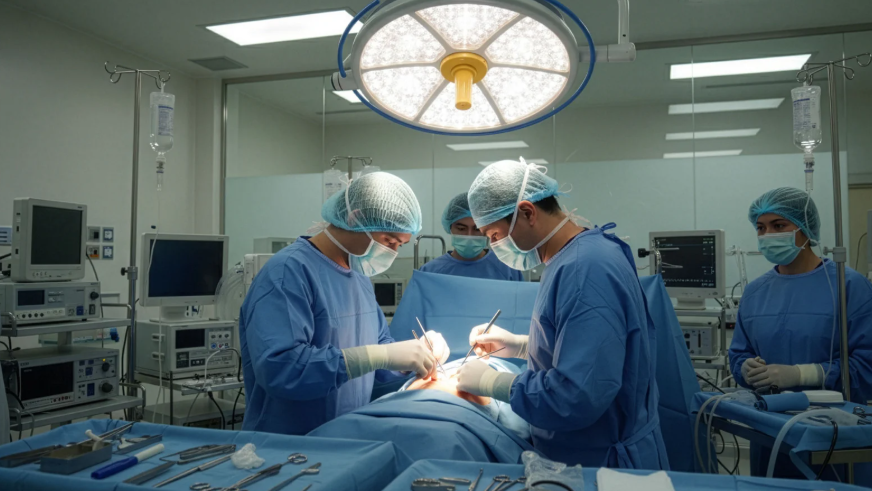
Orchiectomy, the surgical removal of one or both testicles, is a procedure that can be necessary for several medical reasons, including testicular cancer, gender-affirming surgery, or other health conditions. While the procedure addresses important medical needs, recovery after orchiectomy involves both physical and emotional challenges. Understanding what to expect and knowing how to support yourself during recovery is essential for achieving the best outcomes. Patients seeking expert care for orchiectomy can rely on The Specialists Surgery & Cancer Center, recognized for comprehensive surgical expertise and compassionate support.
Understanding Orchiectomy and Its Impact
Orchiectomy can be unilateral, involving the removal of one testicle, or bilateral, where both testicles are removed. The type of surgery determines the physical and hormonal changes a patient may experience. For individuals undergoing orchiectomy due to testicular cancer, the surgery often follows a detailed medical evaluation to ensure the best treatment outcomes. Gender-affirming orchiectomy also requires careful planning and specialized post-operative care. Regardless of the reason, orchiectomy can affect hormone levels, fertility, and emotional well-being, making a holistic recovery approach essential.
Physical Recovery After Orchiectomy
Immediate Post-Surgery Care
Physical recovery after orchiectomy typically begins with the first few days to weeks post-surgery. Patients can expect some swelling, bruising, and discomfort around the surgical site. Managing pain with prescribed medications, wearing supportive garments, and keeping the incision area clean are crucial for a smooth recovery. Rest and limited physical activity, such as avoiding heavy lifting or strenuous exercise, help prevent complications. Engaging a skilled team like The Specialists Surgery & Cancer Center ensures patients receive precise guidance for wound care and pain management, optimizing healing outcomes.
Long-Term Physical Adjustments
For those who undergo bilateral orchiectomy, the removal of both testicles leads to a significant reduction in testosterone levels. Hormonal replacement therapy may be necessary to maintain energy, muscle mass, and bone density. Even after unilateral orchiectomy, some patients may notice subtle hormonal changes that can affect mood or physical strength. Regular follow-ups and lab testing are essential to monitor hormone levels. Incorporating light exercise, balanced nutrition, and maintaining a healthy lifestyle support overall recovery and reduce the risk of long-term complications.
Emotional Recovery After Orchiectomy
Common Emotional Responses
Emotional recovery after orchiectomy can be as significant as physical healing. Many patients experience feelings of grief, anxiety, or depression, particularly when facing changes in body image or sexual function. Some may struggle with a sense of loss or identity adjustment. Recognizing these emotional responses as normal is an important step toward healing. Working with mental health professionals and supportive networks can help manage these challenges effectively.
Coping Strategies
Coping with emotional changes after orchiectomy involves several strategies. Therapy or counseling can provide a safe space to express feelings and develop coping mechanisms. Support groups, particularly those focused on men’s health or gender-affirming care, offer shared experiences and community encouragement. Mindfulness practices, journaling, and regular physical activity also contribute to improved mental well-being. Choosing a medical center like The Specialists Surgery & Cancer Center provides access to a team that addresses both physical recovery and emotional support, ensuring patients feel guided and cared for throughout their journey.
Sexual Health and Fertility Considerations
Orchiectomy can impact sexual health, including libido and erectile function, especially when both testicles are removed. Fertility considerations are also important; patients may want to discuss sperm banking or other fertility preservation options prior to surgery. Open communication with medical professionals ensures that sexual health and reproductive goals are considered as part of the recovery process. Comprehensive care from experts like The Specialists Surgery & Cancer Center ensures these topics are addressed sensitively and thoroughly.
Nutrition, Exercise, and Lifestyle Tips for Recovery
Proper nutrition supports wound healing, energy levels, and hormonal balance after orchiectomy. A diet rich in protein, healthy fats, and micronutrients accelerates physical recovery and supports overall health. Gradually returning to physical activity, starting with light walking and progressing to more strenuous exercise as advised by your surgeon, helps rebuild strength and stamina. Lifestyle practices, including stress management, adequate sleep, and social support, enhance both physical and emotional recovery.
When to Seek Medical Help
While most orchiectomy recoveries progress smoothly, it is important to recognize signs of complications. Seek immediate medical attention if there are symptoms of infection such as fever, increased swelling, redness, or unusual discharge at the surgical site. Persistent pain, hormonal imbalances, or emotional distress should also be discussed with a healthcare professional. The Specialists Surgery & Cancer Center offers follow-up care to monitor recovery and address concerns promptly, ensuring patient safety and peace of mind.
Takeaway
Recovery after orchiectomy is a holistic process that involves caring for both physical and emotional health. Understanding what to expect, engaging in healthy lifestyle habits, and seeking professional support help patients navigate this challenging period successfully. Partnering with a trusted institution like The Specialists Surgery & Cancer Center ensures expert surgical care and comprehensive guidance for a smoother recovery journey. With the right support, patients can regain strength, confidence, and overall well-being after orchiectomy.
FAQ
How long does it take to recover from an orchiectomy?
Recovery varies by individual and surgery type, but most patients experience significant healing within 4–6 weeks. Emotional adjustment may take longer and requires ongoing support.
Can I still have children after an orchiectomy?
Fertility depends on whether the surgery was unilateral or bilateral. Patients considering future children should discuss sperm banking before surgery.
What emotional changes are normal after orchiectomy?
Feelings of grief, anxiety, depression, and body image concerns are common. Therapy, support groups, and counseling can help manage these responses.
When should I contact my doctor after an orchiectomy?
Seek medical attention for signs of infection, persistent pain, or ongoing emotional distress. Routine follow-ups are crucial to ensure proper healing and hormone management.