Pain during sexual activity can affect physical comfort, confidence, relationships, sleep, exercise, and daily well-being. Many people stay quiet because the subject feels private or embarrassing. Yet painful intercourse is a health concern that deserves respectful care, a clear assessment, and a plan based on the true source of symptoms.
Dyspareunia treatments vary because pain may come from pelvic floor muscle tension, vaginal dryness, scar tissue, hormonal changes, infection, endometriosis, vulvar irritation, nerve sensitivity, or another medical condition. A method that helps one person may not suit another. Care should begin with careful screening rather than assumptions.
Osteopractic Physical Therapy of Central Indiana, located at Fishers, Indiana, supports natural healing, comfortable movement, and better physical function through focused assessment and one-on-one care. For people whose symptoms have a musculoskeletal or pelvic floor component, physical therapy may serve as a valuable part of a broader care plan.
What Is Dyspareunia?
Dyspareunia means persistent or recurring pain linked to sexual intercourse or penetration. Pain may occur before, during, or after sexual activity. Some people feel burning or stinging near the vaginal opening. Others notice pressure, aching, cramping, or sharp pain deeper within the pelvis.
Symptoms may start after childbirth, surgery, menopause, an injury, a period of reduced sexual activity, or a stressful event. They may also appear without one obvious trigger. Dyspareunia treatments should account for pain location, timing, intensity, tissue sensitivity, muscle behavior, hormonal factors, medical history, and personal goals.
Pain near the vaginal opening is often described as superficial dyspareunia. Deeper pain may occur with certain positions or deeper penetration. These patterns can offer clues, but they do not confirm a diagnosis by themselves. A qualified medical professional should assess persistent symptoms.
Why Pain During Intercourse Should Not Be Ignored
Occasional mild discomfort may occur because of temporary dryness, limited arousal, or an uncomfortable position. Repeated pain deserves attention, especially when it changes behavior or causes fear.
Pain can trigger protective muscle tightening. That tightening may make later attempts more uncomfortable, creating a cycle of pain, worry, guarding, and avoidance. Dyspareunia treatments often aim to calm this protective response while addressing tissue, joint, nerve, hormonal, or medical factors.
Seeking care does not mean something is seriously wrong. It means symptoms are affecting quality of life and deserve proper assessment. Early support may also help prevent persistent guarding and increased sensitivity.
Common Causes That May Shape Dyspareunia Treatments
Many possible causes can contribute to painful intercourse. More than one factor may be present at the same time.
Pelvic floor muscle overactivity may create tenderness, reduced flexibility, or difficulty relaxing around the vaginal opening. These muscles may tighten after pain, childbirth trauma, surgery, stress, or prolonged guarding.
Vaginal dryness may occur because of menopause, breastfeeding, certain medications, hormonal shifts, limited arousal, or irritation. Dry tissue may create friction and burning.
Vaginal or urinary infections may cause soreness, discharge, odor, itching, urinary symptoms, or pain. These concerns require medical testing and the correct medical care.
Vulvodynia or vestibulodynia may cause burning, rawness, or pain near the vulva or vaginal entrance. Pelvic floor dysfunction may occur alongside these conditions.
Endometriosis, ovarian cysts, uterine conditions, pelvic inflammatory disease, bladder pain syndrome, bowel disorders, and other pelvic health concerns may cause deeper pain.
Scar tissue after childbirth, tearing, episiotomy, pelvic surgery, or abdominal surgery may restrict tissue movement and increase sensitivity.
Hip, low-back, sacroiliac, or pelvic girdle problems may alter muscle recruitment and load around the pelvis. Reduced hip mobility, abdominal bracing, and breathing patterns may also affect pelvic floor relaxation.
Emotional stress, prior painful experiences, anxiety, relationship concerns, or trauma may increase protective tension. These factors do not make pain imaginary. Pain remains real, and compassionate care should address both body and nervous system responses.
Because causes differ, effective dyspareunia treatments should be selected after proper evaluation.
Medical Assessment as a First Step
A gynecologist, primary care clinician, urogynecologist, or another qualified professional can check for infection, skin disorders, hormonal changes, endometriosis, cysts, or other medical causes. Testing may depend on symptoms and history.
Medical assessment becomes especially important when pain comes with unusual bleeding, sores, fever, strong odor, unusual discharge, sudden severe pelvic pain, urinary problems, or possible pregnancy complications. Such symptoms may need prompt care.
Physical therapy does not replace needed medical testing. Rather, it can work alongside medical care when muscle tension, movement restrictions, scar sensitivity, posture, breathing, or nervous system guarding contribute to symptoms.
A coordinated approach helps match dyspareunia treatments to each contributing factor. ACOG lists painful intercourse, pelvic pain, vaginal dryness, sexual concerns, abnormal bleeding, and urinary symptoms among reasons that may support a pelvic examination.
How Pelvic Floor Physical Therapy May Help
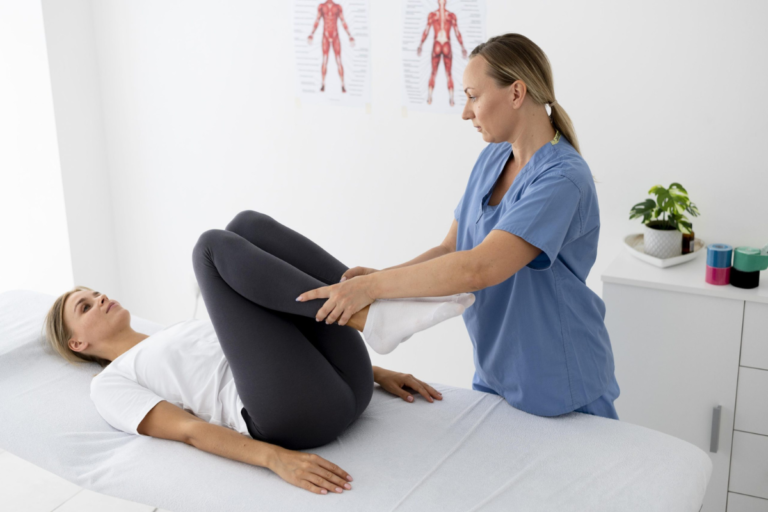
Pelvic floor physical therapy focuses on muscles, connective tissues, joints, breathing mechanics, and movement patterns related to pelvic function. Contrary to a common assumption, care does not always focus on strengthening. Many people with painful intercourse need better relaxation, coordination, tissue mobility, and nervous system calming before strengthening becomes appropriate.
A pelvic health therapist may review symptom history, childbirth history, surgeries, bladder and bowel habits, activity level, pain triggers, and goals. Assessment may include posture, breathing, hips, spine, abdomen, pelvic girdle, and external muscle function. Any sensitive examination should occur only with clear consent, privacy, explanation, and the patient’s right to pause or decline.
Research supports multimodal physical therapy for several pelvic pain presentations, though results vary according to diagnosis and personal factors. Dyspareunia treatments may include education, breathing practice, manual care, movement retraining, graded activity, relaxation, and a home program.
Breathing and Pelvic Floor Relaxation
The diaphragm and pelvic floor normally move together during breathing. Shallow chest breathing, breath holding, constant abdominal bracing, or stress-related guarding may limit comfortable pelvic floor movement.
A therapist may teach slow diaphragmatic breathing, longer exhalation, pelvic floor awareness, and gentle relaxation cues. The goal is not to force muscles to relax. The goal is to help the body recognize safety and reduce unnecessary tension.
Breathing practice may seem simple, yet it can become a useful part of dyspareunia treatments when pain has led to guarding. Regular practice can also support bowel function, movement confidence, and recovery after activity.
Manual Therapy and Tissue Mobility
Manual therapy may address tender muscles, restricted connective tissue, scar sensitivity, hip stiffness, or pelvic girdle restrictions. Techniques should match comfort level and clinical need.
External work may focus on the abdomen, hips, lower back, gluteal muscles, inner thighs, or pelvic region. Internal pelvic floor work may be considered by a properly trained provider when clinically appropriate and fully consented. No person should feel pressured to accept any technique.
Manual care should not stand alone. Lasting progress often requires education, movement work, breathing, gradual exposure, and self-management. As one part of dyspareunia treatments, manual therapy may help decrease guarding and improve tissue tolerance. Research reviews have reported possible pain benefits, though study quality and methods vary.
Exercise, Mobility, and Better Muscle Coordination
Generic Kegel exercises are not right for every person with pelvic pain. Repeated squeezing may worsen symptoms when pelvic floor muscles are already overactive or unable to relax.
A better program may begin with down-training, gentle mobility, hip rotation, supported stretching, trunk control, gluteal function, and comfortable whole-body movement. Strength work may be added after relaxation and coordination improve.
Exercise selection should reflect symptoms, activity goals, postpartum status, joint mobility, tissue healing, and current tolerance. Dyspareunia treatments work best when exercises have a clear purpose and do not provoke lasting pain.
Pelvic floor muscle programs may support sexual function for some patients, but research certainty varies. This supports assessment-led programming rather than giving every person the same exercises.
Education and Graded Exposure
Fear of pain can cause the body to brace before contact occurs. Education helps explain why this response happens and how gradual, controlled practice may reduce sensitivity.
A clinician may discuss pacing, comfortable positioning, communication, arousal time, lubricant choice, and ways to stop before symptoms flare. Some care plans may include vaginal trainers or dilators under professional guidance. These tools should never be treated as a test of willpower. Progress should stay slow, respectful, and symptom-led.
Graded exposure may start far below the point of pain. The aim is to create safe, tolerable experiences rather than push through discomfort. This principle makes it a valuable part of certain dyspareunia treatments.
Lubricants, Moisturizers, and Hormonal Care
Lubricants may reduce friction during sexual activity. Water-based, silicone-based, and oil-based products differ, and some formulas may irritate sensitive tissue. Product selection should account for allergies, condom compatibility, and personal comfort.
Vaginal moisturizers may support ongoing dryness between sexual activity. Hormonal care may be appropriate for menopause-related tissue changes, postpartum hormonal shifts, or other conditions, but such care requires discussion with a licensed medical professional.
Dyspareunia treatments related to dryness should address the reason for dryness rather than only the symptom. A clinician can help determine whether local products, medication review, hormonal options, or another approach makes sense.
Psychological and Relationship Support
Persistent pain can affect desire, trust, confidence, and communication. Counseling, sex therapy, cognitive behavioral approaches, or trauma-aware care may help when fear, distress, past trauma, or relationship strain contributes to symptoms.
This support does not suggest pain exists only because of thoughts or emotions. Physical pain and emotional responses often affect each other. Combining physical care with psychological support may provide a more complete plan.
Partners may also benefit from education about pacing, consent, pressure-free closeness, and communication. Dyspareunia treatments should protect personal choice and never center on forcing intercourse.
What Care at OPTCI May Focus On
Osteopractic Physical Therapy of Central Indiana uses a natural healing and strengthening approach for people seeking better movement and physical function. The clinic’s process starts with a detailed biomechanical assessment designed to identify problem areas rather than simply chase symptoms.
For a person seeking dyspareunia treatments, assessment may consider breathing, abdominal tension, hip mobility, spinal motion, pelvic alignment, scar restrictions, movement habits, and muscle coordination. Findings can guide a focused physical therapy plan and help determine whether medical referral or added pelvic health support is needed.
Care may aim to reduce protective tension, improve mobility, restore comfortable movement, and build long-term self-management skills. OPTCI also places value on helping clients return to meaningful activities and maintain physical wellness after current symptoms settle.
Since dyspareunia can have gynecologic, hormonal, dermatologic, neurologic, or psychological causes, responsible care should include referral whenever symptoms fall beyond physical therapy scope.
What to Expect From a Physical Therapy Visit
A first visit usually starts with conversation. The therapist may ask when pain began, where it occurs, what it feels like, what makes it better or worse, and how symptoms affect daily life.
You may also discuss pregnancy history, childbirth, surgeries, injuries, exercise, bladder habits, bowel habits, menstrual symptoms, medications, and prior care. You control what you share, and respectful care should protect privacy.
The physical assessment may review posture, breathing, back and hip motion, abdominal function, pelvic girdle mechanics, balance, and muscle control. The therapist should explain each step and ask permission before any sensitive assessment.
Afterward, the therapist should explain likely physical contributors, proposed dyspareunia treatments, home activities, expected pacing, and reasons for any medical referral.
How Long Do Dyspareunia Treatments Take?
Recovery time differs. Symptoms caused mainly by temporary dryness may improve quickly after the correct care. Long-standing pelvic floor guarding, scar sensitivity, endometriosis, vulvodynia, postpartum injury, or nerve sensitivity may require more time.
Progress may include less pain, lower fear, improved pelvic floor relaxation, better hip mobility, easier tampon use, more comfortable medical exams, or greater confidence with intimacy. Full symptom removal may not happen at the same pace for every person.
Consistent home practice, clear communication, medical coordination, and gradual progression may support better results. Dyspareunia treatments should be adjusted whenever symptoms change or progress stalls.
When to Seek Prompt Medical Care
Seek timely medical guidance for severe or sudden pelvic pain, fever, heavy bleeding, fainting, painful sores, possible infection, unusual discharge, pregnancy-related concerns, or pain after a significant injury.
Persistent pain also deserves evaluation even without urgent warning signs. Repeated discomfort should not be dismissed as normal, and no one should feel expected to tolerate pain for a partner.
Choosing the Right Dyspareunia Treatments
A good care plan begins with the correct diagnosis and respect for personal goals. Ask whether the provider has training related to pelvic pain, how assessments are performed, which methods may be offered, and how consent is handled.
Look for care that explains findings clearly, avoids pressure, tracks progress, and coordinates with other professionals when needed. Be cautious about anyone promising a guaranteed cure, one-session fix, or identical plan for every patient.
The best dyspareunia treatments are usually cause-specific, patient-led, and flexible enough to change as the body responds.
A More Comfortable Future Can Start With Proper Support
Painful intercourse may feel isolating, but help is available. A thoughtful plan can address muscle tension, movement restrictions, dryness, medical conditions, scar sensitivity, nervous system responses, and emotional strain without shame.
Osteopractic Physical Therapy of Central Indiana offers assessment-based physical therapy at Fishers, Indiana, with care centered on natural recovery, strength, and better function. When physical factors contribute to pelvic pain, OPTCI may support a broader plan created alongside the proper medical professionals.
Choosing dyspareunia treatments starts with speaking openly, receiving a careful assessment, and moving forward at a pace that respects comfort and consent.
Frequently Asked Questions About Dyspareunia Treatments
What are the most common dyspareunia treatments?
Common options include medical care for infections or hormonal issues, pelvic floor physical therapy, lubricants, vaginal moisturizers, medication prescribed for a diagnosed condition, counseling, sex therapy, relaxation training, and gradual exposure. The right combination depends on the cause.
Can pelvic floor physical therapy help painful intercourse?
Yes, physical therapy may help when pelvic floor tension, poor muscle coordination, scar restrictions, hip or back problems, or protective guarding contributes to pain. Results differ, so proper assessment matters.
Should I do Kegel exercises for dyspareunia?
Not automatically. Kegels may aggravate pain when pelvic floor muscles already hold too much tension. A trained therapist can determine whether relaxation, coordination, strengthening, or a combination is appropriate.
Are dyspareunia treatments always medical?
No. Some people benefit from physical therapy, education, movement changes, lubricant use, counseling, or sex therapy. Others need medical treatment for infection, hormonal changes, endometriosis, skin conditions, or another diagnosis. Many care plans combine several approaches.
Can childbirth cause dyspareunia?
Yes. Scar tissue, tearing, hormonal dryness, pelvic floor guarding, nerve irritation, and changes around the hips or pelvis may contribute after childbirth. Postpartum symptoms deserve assessment rather than dismissal.
Can menopause cause painful intercourse?
Yes. Lower estrogen levels may cause dryness, tissue thinning, irritation, and reduced elasticity. A gynecologic clinician can discuss moisturizers, lubricants, hormonal options, and other dyspareunia treatments based on medical history.
How soon should I seek help?
Seek care whenever pain repeats, worsens, causes fear, or affects relationships and daily life. Prompt medical care is needed for severe pain, fever, heavy bleeding, sores, unusual discharge, fainting, or pregnancy-related concerns.
Does an assessment require an internal examination?
Not always. A therapist can gather useful information from history, breathing, posture, hip mobility, abdominal function, and external movement. Any internal examination should occur only when clinically appropriate, fully explained, and freely accepted.
Can dyspareunia go away without care?
Temporary discomfort may resolve when caused by brief dryness or positioning. Persistent or recurring pain may continue without the correct support. Evaluation helps identify whether symptoms stem from muscle tension, tissue irritation, infection, hormonal changes, or another concern.
Why choose OPTCI for physical factors linked to dyspareunia?
OPTCI offers assessment-based Osteopractic Physical Therapy at Fishers, Indiana. Care may address breathing, movement, mobility, muscle coordination, scar restrictions, and related biomechanical factors while supporting referral for medical concerns beyond physical therapy scope.