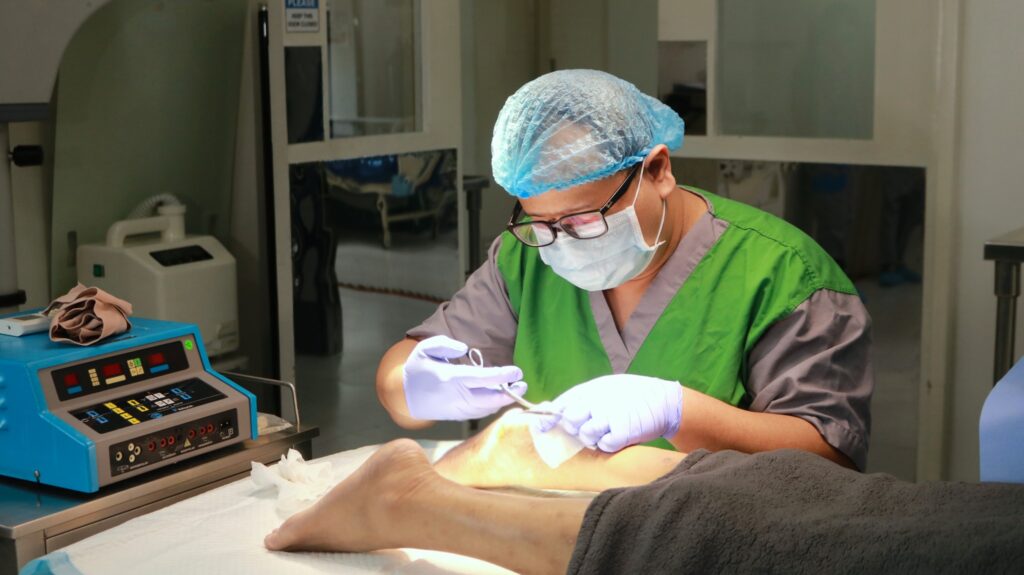
Non-healing wounds can significantly affect daily life, mobility, and overall health. These chronic wounds, which include pressure ulcers, decubitus ulcers, diabetic foot ulcers, and venous insufficiency ulcers, often resist traditional treatments and require specialized care. Kalingap Wound Care Clinic in Quezon City provides expert treatment of non healing wounds for patients across Metro Manila and the Philippines. Each patient receives a personalized approach designed to promote recovery, prevent further complications, and restore confidence.
Managing non-healing wounds demands attention to both the medical and emotional needs of patients. At Kalingap, advanced techniques are combined with compassionate care, ensuring long-term healing outcomes. From comprehensive assessments to state-of-the-art therapies, the clinic addresses each wound with precision and care.
Meet the Expert – Dr. Lou Mervyn Tec
Dr. Lou Mervyn Tec, MD, FPOA, is a board-certified orthopedic surgeon and wound care specialist leading Kalingap’s program for treatment of non healing wounds. Dr. Tec has advanced training in ultrasonic-assisted debridement and negative pressure wound therapy, making him a trusted expert in managing complex chronic wounds.
Patients benefit from Dr. Tec’s focus on holistic care, particularly for elderly individuals and those requiring long-term recovery. His bedside manner combines professionalism with empathy, ensuring that patients feel supported and informed throughout their healing journey. Under his guidance, Kalingap Wound Care Clinic has become a leading destination for non-healing wound treatment in the Philippines.
Causes and Risks of Non-Healing Wounds
Non-healing wounds can develop for various reasons, often linked to underlying health conditions or physical limitations. Common types of chronic wounds include pressure ulcers, decubitus ulcers, diabetic foot ulcers, and venous insufficiency ulcers. Each wound type presents unique challenges and risks.
Pressure ulcers, also known as bedsores, occur when skin and tissue are compressed over extended periods. Immobile patients, particularly seniors or those with limited mobility, are at high risk. Decubitus ulcers are a type of pressure injury that can worsen rapidly if not managed effectively.
Diabetic foot ulcers are another serious concern. Poor circulation, nerve damage, and uncontrolled blood sugar levels can slow healing and increase infection risk. Venous insufficiency ulcers occur due to poor blood flow in the legs, leading to swelling, tissue breakdown, and slow recovery.
Risk factors for non-healing wounds include diabetes, immobility, aging skin, poor nutrition, and chronic medical conditions. Left untreated, these wounds can become infected, prolong healing, and sometimes result in serious complications, including hospitalization or amputation. Early and specialized care is critical to avoid such outcomes.
Advanced Wound Assessment
Successful treatment of non healing wounds begins with a thorough assessment. Kalingap Wound Care Clinic uses evidence-based tools to evaluate the wound type, size, depth, and underlying causes. Each patient’s medical history, circulation, and overall health are considered to design an individualized healing plan.
Advanced wound assessment allows clinicians to determine the most effective interventions, monitor progress, and adjust treatments as needed. By understanding the severity and contributing factors of each wound, the clinic ensures that patients receive targeted care that promotes faster recovery and prevents recurrence.
Ultrasonic-Assisted Debridement
Dead tissue and debris can slow or prevent healing in chronic wounds. Ultrasonic-assisted debridement is a minimally invasive technique used at Kalingap to gently remove non-viable tissue while preserving healthy skin.
This procedure uses ultrasonic waves to break down necrotic tissue, stimulate blood flow, and reduce bacterial load within the wound. Patients often experience less discomfort compared to traditional debridement, and the technique prepares the wound for additional therapies, such as negative pressure wound therapy. Ultrasonic-assisted debridement has shown significant benefits for chronic wounds that have not responded to conventional treatments.
Negative Pressure Wound Therapy
Negative pressure wound therapy (NPWT), or vacuum-assisted closure, is a highly effective method for promoting the healing of chronic wounds. NPWT applies controlled suction to the wound, which removes excess fluid, reduces swelling, and stimulates tissue growth.
At Kalingap, NPWT is used to treat pressure ulcers, diabetic foot ulcers, venous insufficiency wounds, and other non-healing wounds. The therapy encourages improved circulation, lowers the risk of infection, and accelerates wound closure. Patients often notice faster healing and improved comfort compared to standard wound care methods.
Pressure Ulcer Treatment
Pressure ulcers develop when prolonged pressure restricts blood flow to the skin and underlying tissues. These wounds commonly affect bedridden or immobile patients, especially older adults. Kalingap Wound Care Clinic provides specialized treatment protocols to manage and heal pressure ulcers effectively.
Treatment includes advanced dressings, regular repositioning strategies, and pressure-relieving devices. Monitoring and early intervention are essential to prevent further skin breakdown. Comprehensive care also addresses the root causes of pressure ulcers, ensuring patients experience long-term relief and improved mobility.
Decubitus Ulcer Management
Decubitus ulcers are pressure injuries that require careful attention. At Kalingap, management strategies include advanced dressing techniques, offloading methods to reduce pressure on the affected area, and close monitoring for signs of infection or worsening.
Caregivers are trained on proper positioning, skin inspection, and daily wound maintenance to support healing. By combining targeted treatment with patient education, Kalingap ensures that decubitus ulcers heal efficiently while reducing the risk of recurrence.
Diabetic Foot Ulcer Care
Diabetic foot ulcers are a serious complication of diabetes that can result in severe infections or amputation if not treated properly. Kalingap Wound Care Clinic provides comprehensive care that includes wound cleaning, infection management, advanced dressings, and patient education.
The clinic also supports patients in monitoring blood sugar levels, improving circulation, and adopting lifestyle habits that prevent further complications. Education on self-care techniques empowers patients to actively participate in their recovery, significantly improving long-term outcomes.
Venous Insufficiency Ulcer Care
Venous insufficiency ulcers occur due to poor blood flow, most often in the legs. These wounds can be painful, slow to heal, and prone to recurrence. Kalingap addresses venous ulcers through compression therapy, wound care, and interventions that improve circulation.
The clinic also provides guidance on lifestyle adjustments, such as leg elevation and exercise, to support long-term healing. Comprehensive care ensures that patients not only recover from current wounds but also reduce the likelihood of future ulcer development.
Elderly Patient and Long-Term Care
Older adults often face chronic wounds due to fragile skin, limited mobility, or existing medical conditions. Kalingap Wound Care Clinic emphasizes supportive programs for seniors, providing personalized care that promotes comfort, dignity, and long-term healing.
The clinic works closely with family members and caregivers to develop home care routines, monitor progress, and prevent complications. This approach ensures that elderly patients receive consistent attention while maintaining independence and quality of life.
Education and Prevention Programs
Prevention is a key aspect of wound care. Kalingap offers education programs, workshops, and one-on-one sessions to teach patients and caregivers about proper skin care, wound prevention, and self-care techniques.
Patients learn how to identify early signs of pressure injuries or infection, manage existing wounds at home, and adopt healthy habits to reduce risks. Education empowers patients to take proactive steps in managing their health and ensures long-term success in preventing non-healing wounds.
Why Choose Kalingap Wound Care Clinic
Kalingap Wound Care Clinic is a trusted center for treatment of non healing wounds in Metro Manila and the Philippines. The clinic combines advanced therapies, evidence-based protocols, and compassionate care under the leadership of Dr. Lou Mervyn Tec.
Patients benefit from personalized healing plans, state-of-the-art treatment options, and supportive programs designed for elderly and long-term care. Kalingap’s commitment to quality and patient-centered care ensures successful outcomes, faster recovery, and improved confidence for individuals managing chronic wounds.
Frequently Asked Questions (FAQ)
What types of wounds can Kalingap treat?
Kalingap treats pressure ulcers, decubitus ulcers, diabetic foot ulcers, venous insufficiency ulcers, and other chronic wounds that resist conventional treatment.
How does negative pressure wound therapy work?
NPWT uses controlled suction to remove fluid, stimulate tissue growth, improve circulation, and accelerate wound healing.
Is ultrasonic-assisted debridement painful?
This technique is gentle and minimally invasive, often reducing discomfort compared to traditional debridement methods.
Can elderly patients receive care for chronic wounds?
Yes. Kalingap provides specialized programs for seniors, prioritizing comfort, dignity, and effective long-term recovery.
Are prevention and education programs available?
Yes. Kalingap offers workshops and one-on-one sessions to teach wound prevention, self-care techniques, and healthy lifestyle habits.
Where is Kalingap Wound Care Clinic located?
Kalingap Wound Care Clinic is based in Quezon City, serving patients from across Metro Manila and throughout the Philippines.