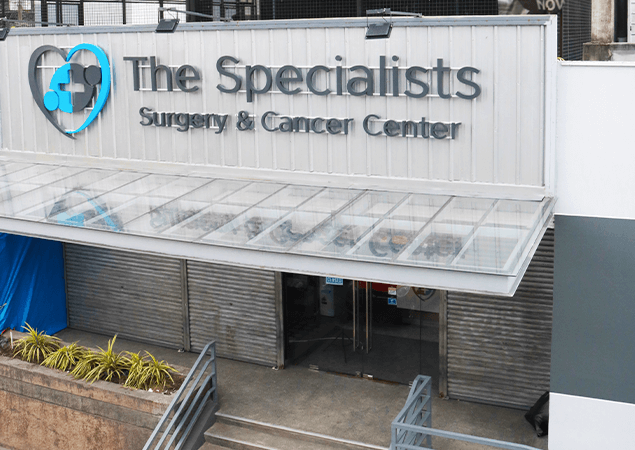
Debridement is a critical medical procedure that helps wounds heal by removing dead, infected, or damaged tissue. Proper wound care is essential to prevent infection, reduce complications, and accelerate recovery. Debridement allows healthy tissue to grow, preparing the area for closure or other wound management techniques. Patients at The Specialist Surgery and Cancer Center (TSSCC) in Quezon City, Metro Manila, receive precise and safe Debridement performed by experienced doctors. This procedure is a cornerstone of effective wound care for chronic wounds, post-surgical recovery, and traumatic injuries.
Wounds that do not heal properly can lead to serious health risks, including infections that may require hospitalization. Debridement addresses these concerns early, offering patients a faster, safer, and more comfortable healing experience. TSSCC focuses on providing outpatient care, ensuring patients can recover at home while receiving expert guidance from skilled medical professionals.
What Debridement Involves
Debridement involves carefully removing tissue that may hinder the healing process. This includes dead tissue, areas infected with bacteria, or damaged tissue caused by trauma or chronic illness. By clearing these barriers, Debridement promotes healthy tissue regrowth, reduces inflammation, and supports infection control.
There are different methods of Debridement, depending on the wound type and patient condition. Surgical Debridement is the most common approach, where a doctor precisely removes affected tissue using specialized instruments. Mechanical Debridement uses medical tools or dressings to gently remove dead tissue over time. Enzymatic Debridement employs topical agents to dissolve damaged tissue safely. Autolytic Debridement relies on the body’s natural healing process, enhanced by modern wound-care dressings, to remove unhealthy tissue. Each method ensures that the wound is properly prepared for closure or further treatment.
Debridement is particularly effective for wounds that show delayed healing, chronic inflammation, or signs of infection. At TSSCC, the procedure is performed under a clean, controlled environment to minimize risks and optimize recovery.
Who Needs Debridement
Patients with various wound conditions can benefit from Debridement. Chronic wounds, such as pressure sores or diabetic ulcers, often require early intervention to prevent infection and further tissue damage. Post-surgical wounds that show delayed healing may also benefit from Debridement, as it removes barriers to recovery. Traumatic injuries, including accidents or burns, may leave damaged tissue that prevents proper healing, making Debridement a necessary step.
Infected or necrotic wounds present a high risk for complications if untreated. Debridement helps control infection and prepares the wound for further care. Venous ulcers or wounds with persistent inflammation also respond well to this procedure, as it restores healthy tissue growth and supports long-term healing. Patients with limited mobility, chronic health conditions, or a high risk of infection find significant benefits in receiving timely Debridement.
TSSCC welcomes patients from Quezon City, Metro Manila, and other parts of the Philippines. Early evaluation allows doctors to create personalized care plans, ensuring each patient receives the most effective wound treatment.
Signs You Might Need Debridement
Recognizing the need for Debridement can prevent complications and reduce the overall cost of treatment. Patients should consider Debridement if wounds are not healing, show visible dead or infected tissue, or display persistent redness and inflammation. Post-surgical wounds that heal slowly may also require intervention.
Other signs include foul odor, discharge, or an increased risk of infection. Ignoring these symptoms may lead to more invasive procedures and prolonged recovery. Seeking early Debridement helps maintain mobility, reduces pain, and prevents hospital admissions. The team at TSSCC emphasizes timely intervention to ensure wounds heal efficiently and safely.
Debridement at TSSCC – Expert Care in Quezon City
At The Specialist Surgery and Cancer Center, Debridement is performed by doctors with extensive experience in wound care. The clinics are designed to maintain a clean, patient-focused environment where every step of the procedure prioritizes safety and comfort.
TSSCC offers outpatient Debridement, allowing patients to recover at home while receiving professional guidance. This approach reduces waiting times and minimizes exposure to hospital-acquired infections. By focusing on early treatment and proper wound management, TSSCC ensures patients experience faster healing and fewer complications.
Affordability is a core principle at TSSCC. Debridement services are designed to encourage early medical consultation without the fear of excessive costs. This patient-centered approach empowers individuals to seek care promptly, preventing minor wounds from developing into serious conditions.
Advantages of Early Treatment
Early Debridement offers multiple benefits that improve both health outcomes and quality of life. By addressing wounds promptly, patients experience faster recovery and reduced risk of infection. Healing is more efficient, and the likelihood of complications decreases significantly.
Early treatment also reduces overall medical costs. Treating wounds at an initial stage is typically less expensive than managing infections or advanced tissue damage later. Patients maintain mobility and comfort, avoiding unnecessary hospital stays.
Debridement performed at the right time supports long-term wound management, helping patients avoid repeated procedures. This approach is particularly important for chronic conditions such as diabetes, venous ulcers, or post-surgical recovery, where early intervention can prevent serious health consequences.
Patient Journey at TSSCC
Patients visiting TSSCC for Debridement undergo a comprehensive and supportive care process. The journey begins with a consultation, where doctors evaluate the wound and determine the most suitable Debridement method. Each treatment plan is tailored to the patient’s needs, considering factors such as wound type, underlying conditions, and overall health.
During the procedure, patients receive expert care in a clean, comfortable setting. Doctors perform Debridement with precision, ensuring healthy tissue is preserved while damaged tissue is removed. After the procedure, patients receive detailed guidance on wound care at home, including dressing changes, infection prevention, and monitoring for signs of complications.
Follow-up appointments ensure progress is tracked, and additional care is provided if necessary. TSSCC emphasizes patient education, empowering individuals to actively participate in their recovery and achieve optimal healing outcomes.
Takeaway
Debridement is a vital step in effective wound care, helping patients achieve faster recovery, reduce infection risk, and improve overall health outcomes. The Specialist Surgery and Cancer Center in Quezon City offers safe, affordable, and expert Debridement services for chronic wounds, post-surgical recovery, and traumatic injuries. Early evaluation and treatment can prevent serious complications and support long-term healing, ensuring patients receive the care they need without unnecessary delays or hospital visits.
FAQs About Debridement
How long does Debridement take to heal?
Healing time varies depending on wound type and patient health. Minor wounds may heal within a few days to weeks, while chronic or post-surgical wounds may require longer monitoring and care.
Is Debridement painful?
Debridement may cause mild discomfort, but doctors use techniques and local anesthesia to minimize pain. Most patients report the procedure is tolerable and significantly improves healing outcomes.
Can Debridement prevent hospitalization?
Yes, early and proper Debridement reduces the risk of infection and complications, often preventing the need for hospital admission. Outpatient care allows patients to recover safely at home.
Who can perform Debridement?
Debridement should be performed by trained and experienced medical professionals. At TSSCC, expert doctors provide precise and safe treatment tailored to each patient’s needs.
Are outpatient Debridement procedures safe?
Outpatient Debridement is safe when performed in a clean and controlled clinic environment. TSSCC ensures all procedures adhere to high medical standards while allowing patients to recover comfortably at home.
What types of wounds benefit most from Debridement?
Chronic wounds, post-surgical wounds with delayed healing, traumatic injuries, infected wounds, and venous ulcers all respond well to Debridement. Early treatment is especially beneficial for patients with chronic conditions or mobility limitations.