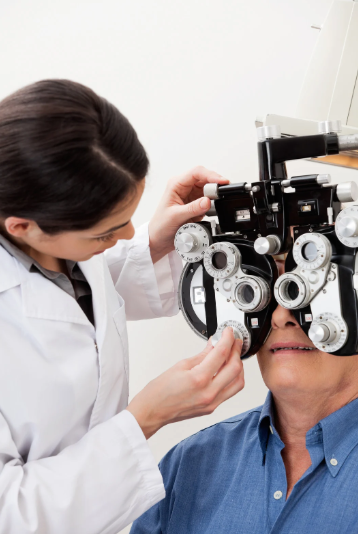
Clear vision affects reading, driving, work, school, mobility, and daily comfort. When eyesight changes, patients need more than a basic vision check. They need careful assessment, accurate measurements, and professional guidance from a qualified ophthalmologist. Eye clinic technology in Bicol can support this process by giving doctors detailed information about eye pressure, the optic nerve, the retina, the cornea, the lens, and visual function.
Lee Tan Eye Clinic provides comprehensive ophthalmology, cataract surgery, glaucoma care, plus plastic, lacrimal, and orbit services. The clinic is led by Dr. Lee Tan, a board-certified ophthalmologist and experienced eye surgeon with fellowship training focused on glaucoma at the University of the Philippines–Philippine General Hospital. His background supports a preventive and patient-focused approach that values early detection, careful monitoring, and stepwise treatment.
Modern equipment does not replace medical skill. Rather, it gives an ophthalmologist added information that may support diagnosis, treatment planning, and follow-up care. Through Eye clinic technology in Bicol, patients may gain a clearer understanding of their eye health and the choices available for protecting useful vision.
What Eye Clinic Technology Means for Patients
Eye care technology refers to tools used to examine, measure, photograph, or scan different parts of the eye. Some devices check visual sharpness. Others measure eye pressure, inspect the front surface of the eye, map side vision, assess the optic nerve, or calculate measurements needed before cataract surgery.
Each test serves a specific purpose. A patient with blurry vision may need a different set of tests from someone with eye pain, glaucoma risk, eyelid concerns, or a cloudy lens. Eye clinic technology in Bicol works best when test selection follows a complete medical history and an ophthalmologist’s examination.
Results also need proper interpretation. A number shown by a device may not tell the full story by itself. Eye pressure, for example, must be reviewed together with optic nerve appearance, corneal thickness, visual field findings, family history, age, and other risk factors. That medical context helps turn raw measurements into a practical care plan.
Comprehensive Eye Examinations Supported by Modern Tools
A comprehensive eye examination may begin with questions about symptoms, medical conditions, current medicines, prior eye procedures, family history, and changes noticed by the patient. Basic vision testing then checks how clearly each eye can see at different distances.
A slit-lamp examination allows close inspection of structures at the front of the eye. This may include the eyelids, tear film, conjunctiva, cornea, iris, and natural lens. The same examination can help an ophthalmologist look for signs of irritation, infection, cataract, trauma, or other concerns.
Eye pressure measurement may also form part of a complete check. Pupil dilation may be recommended so the doctor can examine the retina and optic nerve more fully. Depending on the findings, added tests may include retinal photography, visual field testing, optical coherence tomography, or other imaging.
Eye clinic technology in Bicol supports a more detailed view of eye health, especially when symptoms are subtle or when a condition requires regular monitoring. Patients should confirm which tests are available directly at Lee Tan Eye Clinic and which services may require referral to another facility.
Technology for Glaucoma Detection and Monitoring
Glaucoma can damage the optic nerve and may lead to permanent vision loss. Early stages may cause no obvious symptoms, which makes proper screening and regular follow-up especially important for people with known risk factors.
Tonometry measures pressure inside the eye. Although pressure matters, a glaucoma assessment usually requires more than one measurement. Some patients with higher pressure may never develop nerve damage, while others may develop glaucoma even when pressure falls within a commonly accepted range.
Visual field testing checks peripheral, or side, vision. This can help identify patterns of functional loss that may occur with glaucoma. Optical coherence tomography may provide detailed images of the optic nerve and retinal nerve fibre layers. Corneal thickness measurement may help the doctor interpret pressure results more accurately. Gonioscopy may also be used to assess the eye’s drainage angle.
Eye clinic technology in Bicol can support comparisons across several visits. A single test gives a snapshot, while repeated measurements may show whether the eye remains stable or whether change has occurred. Dr. Tan’s advanced glaucoma training supports thoughtful review of these findings, followed by a care plan based on disease stage, risk level, treatment response, and patient needs.
How Optical Coherence Tomography Supports Eye Assessment
Optical coherence tomography, commonly called OCT, is a non-contact imaging method that uses light to create detailed cross-sectional images of eye structures. The test may help an ophthalmologist study the retina, macula, and optic nerve.
For glaucoma care, OCT may show the thickness of nerve fibre layers and other structural measurements. For retinal concerns, the scan may help identify swelling, thinning, fluid, or changes affecting central vision. The test is usually brief, though image quality may depend on patient movement, pupil size, lens clarity, or other eye conditions.
OCT findings should not stand alone. They work best when reviewed beside symptoms, medical history, visual acuity, eye pressure, a dilated examination, and other test results. Eye clinic technology in Bicol may provide useful structural information, but a qualified ophthalmologist must decide what those images mean for each patient.
Cataract Assessment and Surgical Planning
A cataract develops when the eye’s natural lens becomes cloudy. Common symptoms may include blurred vision, glare, faded colours, trouble seeing at night, frequent prescription changes, or reduced contrast. A complete examination helps determine whether cataract is the main cause or whether another eye condition also affects vision.
Slit-lamp examination allows the ophthalmologist to view lens clouding. A dilated examination may help assess the retina and optic nerve before surgery. Keratometry measures corneal curvature, while optical biometry measures eye length and other values used for intraocular lens power calculations.
Accurate measurements matter because cataract surgery replaces the cloudy natural lens with an artificial lens. Lens choice may depend on eye measurements, daily activities, existing eye disease, and the patient’s visual goals. No device can guarantee a particular result, but careful testing helps the surgeon plan treatment with greater precision.
Eye clinic technology in Bicol can support cataract evaluation from diagnosis through surgical preparation. Patients may ask which measurements are required, whether pupil dilation is needed, what lens options may suit their needs, and what recovery instructions should be followed.
Digital Images and Records for Follow-Up Care
Eye conditions often change gradually. Saved photographs, scans, pressure readings, visual field results, and examination notes can help a doctor compare findings across time. This is useful for glaucoma, cataract progression, retinal concerns, and other long-term conditions.
Digital records may also help patients understand what the doctor sees. A scan or photograph can make an explanation easier to follow, especially when the patient can compare current findings with an earlier visit.
Eye clinic technology in Bicol may support clearer documentation, but privacy and proper record handling remain important. Patients may ask how results are stored, how copies can be requested, and how records are shared when referral care becomes necessary.
Technology for Eyelid, Tear Duct, and Orbit Concerns
Plastic, lacrimal, and orbit care addresses concerns involving eyelids, tear drainage pathways, and structures surrounding the eye. Patients may seek assessment for drooping eyelids, eyelid growths, tearing, blocked tear ducts, swelling, injury, or changes around the eye socket.
A detailed external examination may be supported by slit-lamp assessment, clinical photography, tear drainage tests, or added imaging when medically appropriate. Some concerns may require coordination with a hospital, imaging centre, or another specialist.
Eye clinic technology in Bicol can help document appearance, measure change, and guide treatment discussions. The exact test depends on symptoms, examination findings, and the suspected cause.
What Patients Can Expect During a Technology-Assisted Visit
A visit usually starts with a discussion of symptoms and health history. Staff may check visual acuity, current glasses, and basic eye measurements. The ophthalmologist then performs a focused or comprehensive examination based on the reason for the visit.
Some patients may need eye pressure testing. Others may need pupil dilation, visual field assessment, OCT, photography, cataract measurements, or another procedure. Not every patient needs every test. Care should remain based on medical need rather than the number of devices available.
After testing, Dr. Tan can review the findings, explain possible causes, discuss treatment choices, and recommend follow-up. Eye clinic technology in Bicol should make the care process clearer, not more confusing. Patients are encouraged to ask what each test measures, why it was requested, and how the result affects the care plan.
Why Medical Experience Still Matters
Technology produces measurements and images, but medical judgment gives those results meaning. Two patients may have similar test numbers yet need different care because of age, symptoms, eye structure, general health, prior treatment, or risk factors.
Dr. Lee Tan completed ophthalmology residency training at UP PGH after earning his medical degree from the UP College of Medicine. Following five years of general ophthalmology practice, he completed subspecialty training focused on glaucoma. This background supports care across routine, surgical, and complex eye concerns.
Eye clinic technology in Bicol becomes more valuable when paired with careful interpretation and honest communication. A doctor must decide whether a finding is normal, suspicious, stable, urgent, or suitable for observation. That decision cannot come from a machine alone.
Preventive and Personalised Eye Care
Prevention and early detection form a central part of Lee Tan Eye Clinic’s philosophy. Some eye problems respond better when found before major vision loss occurs. Regular checks may be especially important for people with diabetes, a family history of glaucoma, high eye pressure, prior eye injury, long-term steroid use, or age-related changes.
Personalised care also means that treatment should match the patient’s actual condition and goals. One person may need observation. Another may need eye drops, laser care, surgery, added testing, or referral. A stepwise strategy can help reduce unnecessary intervention while protecting visual function.
Eye clinic technology in Bicol supports this approach by helping Dr. Tan gather objective information before making recommendations. The aim is not simply to perform more tests. The aim is to choose the right test, interpret it carefully, and connect the result to a sensible plan.
Questions to Ask About Eye Clinic Technology in Bicol
Patients can take an active role by asking clear questions during an appointment. Useful questions may include: What does this test measure? Why is it recommended for my condition? Will the result be compared with future tests? Does it require dilation? How long will it take? Will I need someone to accompany me after the visit? Is the equipment available at the clinic? Will another facility be needed?
Patients may also ask how often testing should be repeated. Follow-up schedules differ according to diagnosis, severity, risk, and response to treatment. A person with stable findings may need less frequent testing than someone with recent changes or active disease.
Cost, preparation, and record access may also matter. Asking before the appointment can help patients plan transportation, time away from work, and other practical needs.
Why Choose Lee Tan Eye Clinic
Lee Tan Eye Clinic offers comprehensive ophthalmology, cataract surgery, glaucoma care, plus plastic, lacrimal, and orbit services. Dr. Tan’s board certification, surgical experience, glaucoma fellowship training, and general ophthalmology background support broad eye-care needs for patients across Bicol.
The clinic’s care philosophy values prevention, early detection, patient education, and treatment plans based on each person’s visual needs. Eye clinic technology in Bicol supports that philosophy by adding measurements and images that can guide screening, diagnosis, treatment planning, and follow-up.
Patients with blurry vision, glare, eye pressure concerns, reduced side vision, eyelid problems, tearing, or overdue eye checks should seek professional assessment. Early attention may help identify concerns before they cause greater difficulty.
Frequently Asked Questions
What Does Eye Clinic Technology in Bicol Include?
It may include visual acuity systems, slit-lamp examination, tonometry, visual field testing, retinal photography, OCT, corneal measurements, cataract biometry, and other diagnostic tools. Test choice depends on the patient’s symptoms and examination findings.
Can Technology Detect Glaucoma Before Symptoms Appear?
Testing may identify suspicious optic nerve, pressure, or visual field changes before a patient notices major vision problems. A complete glaucoma assessment still requires review by an ophthalmologist.
Is OCT Painful?
OCT is generally non-contact and does not require needles. The patient looks toward a target while the device captures detailed images. The process is usually brief.
Does Every Patient Need Pupil Dilation?
No. Dilation depends on age, symptoms, medical history, and the structures that need examination. Dilating drops can cause temporary light sensitivity and blurred near vision.
Which Technology Supports Cataract Surgery Planning?
Slit-lamp examination, keratometry, optical biometry, and a dilated retinal assessment may support cataract diagnosis and intraocular lens calculations. The surgeon selects tests according to the patient’s eye health.
Can Eye Clinic Technology in Bicol Replace an Ophthalmologist?
No. Devices provide data, images, and measurements. An ophthalmologist reviews those findings beside symptoms, medical history, and physical examination before making a diagnosis or treatment recommendation.
How Often Should Glaucoma Testing Be Repeated?
The schedule depends on risk level, disease stage, current treatment, and whether prior results show change. Dr. Tan can recommend a suitable interval after reviewing the patient’s condition.
Does Lee Tan Eye Clinic Provide Cataract and Glaucoma Services?
Yes. Cataract surgery and glaucoma care form part of the clinic’s listed ophthalmological services, together with comprehensive ophthalmology plus plastic, lacrimal, and orbit care.
How Can Patients Prepare for an Eye Examination?
Patients can bring current glasses, a medicine list, prior eye records, and details about symptoms. Those expecting dilation may wish to bring sunglasses and arrange transportation when needed.