Wound Care in the Philippines plays an important role for people who experience injuries, accidents, surgical wounds, or health conditions that affect the body’s ability to heal. Proper wound management helps protect damaged skin, reduce infection risks, support tissue repair, and improve recovery outcomes.
Everyday activities may lead to wounds caused by sharp objects, falls, sports activities, workplace accidents, burns, or road-related injuries. While some wounds appear minor, improper care may result in infection, delayed healing, or noticeable scarring. Seeking professional assessment allows patients to receive appropriate treatment based on the type, location, and severity of their injury.
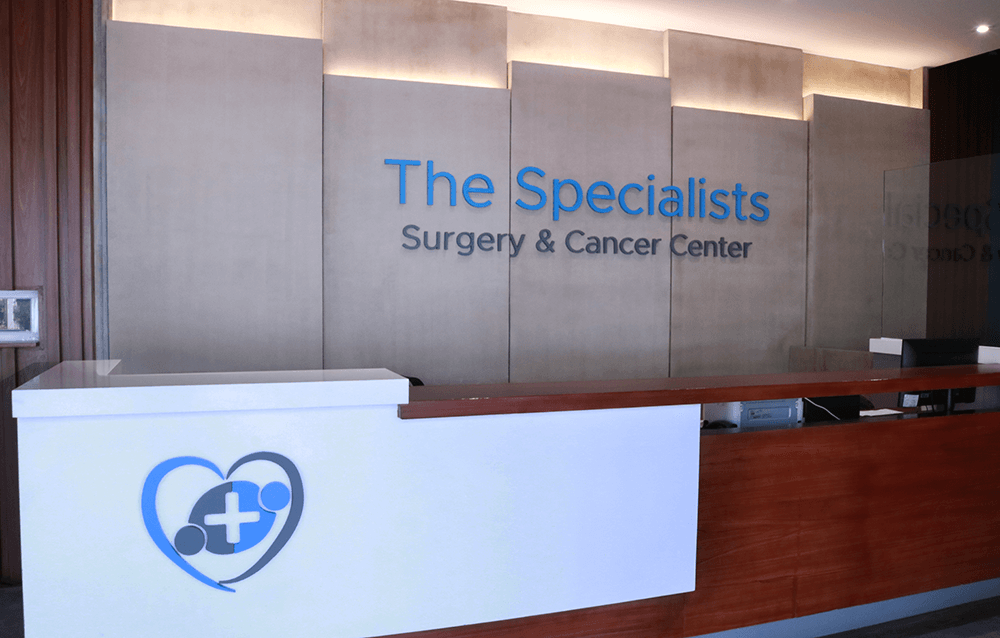
The Specialists Surgery & Cancer Center (TSSCC), Quezon City, provides expert wound assessment and treatment through experienced doctors and a patient-focused outpatient approach. Their wound care services support individuals seeking safe, efficient, and quality medical attention for different types of wounds and traumatic injuries.
What Is Wound Care?
Wound care refers to the medical evaluation, cleaning, treatment, and monitoring of damaged skin and underlying tissues. The primary goal of Wound Care in the Philippines is to help wounds heal properly while reducing risks linked to infection, poor tissue repair, and complications.
A wound may affect only the outer skin layer or may involve deeper tissues, depending on the cause and severity. Medical professionals assess several factors before recommending treatment, including wound depth, location, contamination level, bleeding, and the patient’s overall health condition.
Proper wound care may include:
- Cleaning the affected area
- Removing dirt, debris, or foreign materials
- Closing wounds with stitches when needed
- Applying suitable dressings
- Monitoring healing progress
- Managing signs of infection
- Providing follow-up recommendations
Professional Wound Care in the Philippines helps patients receive timely treatment that supports safe recovery and reduces the chance of avoidable complications.
Common Types of Wounds Treated Through Wound Care in the Philippines
Different injuries require different approaches. Wound care specialists evaluate each case carefully to determine the most appropriate treatment method.
Acute Wounds
Acute wounds usually happen suddenly due to accidents or injuries. Common examples include:
- Cuts from knives, glass, or sharp objects
- Lacerations caused by accidents
- Abrasions from falls or friction
- Puncture wounds
- Burns
- Surgical wounds
These injuries often require immediate cleaning and evaluation to prevent contamination and infection.
Traumatic Injuries
Traumatic wounds may result from sudden impact, accidents, or physical force. Common causes include:
- Motorcycle or vehicle accidents
- Workplace injuries
- Sports-related trauma
- Household accidents
- Falls
Wound Care in the Philippines helps patients manage traumatic injuries by addressing bleeding, tissue damage, contamination, and proper wound closure when needed.
Chronic Wounds
Some wounds take longer to heal due to underlying health concerns. Chronic wounds may include:
- Diabetic foot ulcers
- Pressure injuries
- Venous ulcers
- Arterial ulcers
Patients with diabetes, circulation concerns, or certain medical conditions may require specialized monitoring because healing may progress more slowly.
Signs That a Wound Needs Professional Medical Attention
Not every wound requires advanced treatment, but certain warning signs should encourage patients to seek medical evaluation.
Professional Wound Care in the Philippines may be necessary when a wound has:
- Heavy bleeding that does not stop
- Deep cuts or exposed tissue
- Embedded dirt or foreign objects
- Severe pain or swelling
- Increasing redness around the wound
- Warmth around the affected area
- Drainage or pus
- Fever or signs of infection
- Delayed healing
Patients with diabetes, immune system concerns, or circulation problems should seek medical advice even for wounds that appear small. Early evaluation can help prevent complications and support better healing.
How Wounds Are Evaluated and Treated
Wound assessment is an important part of Wound Care in the Philippines. Doctors review the cause of injury, examine the affected area, and determine the best treatment approach.
During evaluation, medical professionals may consider:
- The size and depth of the wound
- The amount of tissue damage
- Possible contamination
- Signs of infection
- The patient’s medical history
- Existing conditions that may affect healing
Treatment depends on the wound type and severity.
Wound Cleaning and Irrigation
Cleaning removes dirt, bacteria, and debris from the affected area. Proper wound cleaning helps create a healthier condition for healing.
Wound Closure
Some wounds require closure to support proper repair. Depending on the injury, doctors may recommend:
- Sutures
- Medical adhesives
- Other closure techniques
Correct wound closure may help improve healing and reduce scarring.
Dressing Application
Dressings protect wounds from external contaminants while supporting the healing process. Doctors select dressings based on the wound condition, moisture level, and healing stage.
Infection Prevention and Management
Medical teams monitor wounds for infection signs and provide appropriate treatment when needed. Early care may prevent minor wounds from becoming more serious problems.
Advanced Wound Care Services
Advanced Wound Care in the Philippines focuses on managing complex wounds that require specialized attention. Some patients need additional support because their wounds heal slowly or have recurring problems.
Advanced wound management may involve:
- Detailed wound monitoring
- Specialized dressings
- Tissue protection strategies
- Debridement when required
- Support for diabetic wound healing
- Follow-up evaluations
TSSCC provides wound-related services designed around each patient’s needs, helping individuals receive appropriate care while maintaining comfort and safety throughout recovery.
Tips for Proper Wound Care at Home
Home care plays an important role after professional treatment. Following medical instructions can help support recovery and reduce complications.
Helpful wound care practices include:
- Washing hands before touching the wound
- Keeping the wound clean
- Changing dressings according to medical instructions
- Avoiding unnecessary touching or scratching
- Keeping the affected area protected
- Maintaining proper nutrition and hydration
- Watching for infection symptoms
- Attending follow-up appointments when recommended
Although home care is helpful, professional Wound Care in the Philippines remains important for wounds that are deep, infected, slow to heal, or caused by significant trauma.
Factors That May Affect Wound Healing
Several factors may influence how quickly a wound heals. Understanding these factors helps patients recognize why professional care may be necessary.
Healing may be affected by:
- Diabetes
- Poor blood circulation
- Smoking
- Advanced age
- Poor nutrition
- Certain medications
- Infection
- Repeated injury to the same area
Patients with health conditions that affect healing benefit from regular medical assessment. Proper Wound Care in the Philippines helps address these challenges through careful evaluation and appropriate treatment plans.
Benefits of Early Professional Wound Care
Seeking treatment early provides several advantages. Wound Care in the Philippines helps patients manage injuries before complications develop.
Benefits of professional wound management include:
- Lower infection risk
- Faster recovery support
- Better wound protection
- Reduced scarring risk
- Proper closure when required
- Improved monitoring of healing progress
- Reduced need for more complex treatment later
Early care is especially important for traumatic injuries, diabetic wounds, and wounds exposed to dirt or harmful bacteria.
Why Choose The Specialists Surgery & Cancer Center (TSSCC) for Wound Care in the Philippines?
The Specialists Surgery & Cancer Center (TSSCC), Quezon City, provides dependable wound treatment through experienced doctors and a patient-centered outpatient setting.
Patients seeking Wound Care in the Philippines choose TSSCC because of its focus on safe procedures, careful evaluation, and quality medical support.
TSSCC provides:
- Experienced doctors specializing in surgical and wound-related care
- Professional assessment of different wound types
- Outpatient treatment options
- Modern wound management techniques
- A clean and comfortable clinical facility
- Individual treatment recommendations based on patient needs
The center supports patients from Quezon City, Metro Manila, and nearby provinces who need reliable wound treatment without unnecessary hospital admission.
Through expert medical care and proper wound management, TSSCC helps patients move toward safer recovery and improved healing outcomes.
Takeaway
Wound Care in the Philippines provides essential support for patients dealing with injuries, surgical wounds, and conditions that affect healing. Proper assessment and treatment help protect wounds, reduce infection risks, and support better recovery.
The Specialists Surgery & Cancer Center (TSSCC), Quezon City, offers expert wound evaluation and treatment designed around patient safety, comfort, and effective healing. Individuals with traumatic injuries, difficult-to-heal wounds, or concerns about wound recovery can seek professional guidance for appropriate care.
Frequently Asked Questions About Wound Care in the Philippines
How soon should I seek Wound Care in the Philippines after an injury?
Patients should seek medical attention as soon as possible after serious injuries, deep cuts, wounds with contamination, or injuries that continue bleeding. Early evaluation helps reduce complications and supports proper healing.
Can a small wound become infected?
Yes. Even small wounds may develop infections if bacteria enter damaged skin. Proper cleaning, protection, and monitoring are important parts of Wound Care in the Philippines.
How do doctors decide if a wound needs stitches?
Doctors evaluate wound depth, location, separation of skin edges, bleeding, and overall injury condition before deciding whether stitches or another closure method is appropriate.
How long does wound healing take?
Healing time depends on the wound type, severity, location, and the patient’s health condition. Minor wounds may heal quickly, while chronic or complex wounds may require longer monitoring.
Do diabetic patients need special wound care?
Yes. Diabetes may slow healing and increase infection risks. Professional Wound Care in the Philippines helps diabetic patients receive proper assessment and monitoring.
Should I remove a foreign object from a wound myself?
Patients should avoid removing deeply embedded objects because this may worsen bleeding or tissue damage. Medical evaluation is recommended for safer management.
Why choose an outpatient wound care center instead of waiting at a hospital emergency department?
An outpatient wound care center may provide focused treatment for appropriate injuries, helping patients receive timely evaluation and management within a comfortable clinical setting.