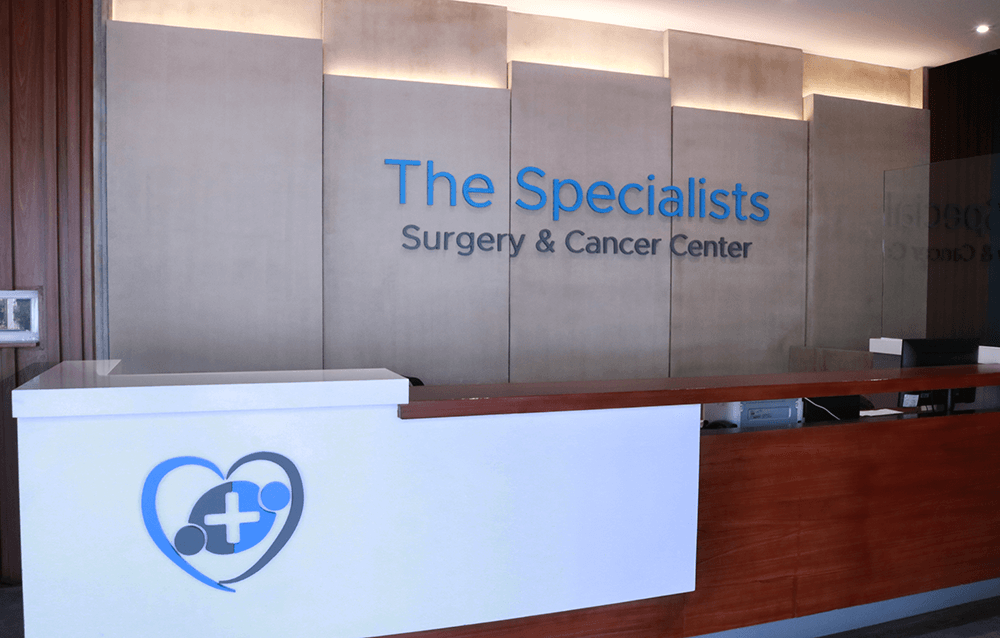
Orchidopexy is a surgical procedure that corrects undescended testicles, also known as cryptorchidism. Undescended testicles occur when one or both testicles fail to move into the scrotum before birth or during early infancy. Orchidopexy ensures the testicle is safely repositioned in the scrotum, allowing normal development and reducing the risk of future complications. At The Specialist Surgery & Cancer Center (TSSCC) in Quezon City, patients receive expert care from experienced surgeons in a clean, patient-focused environment. Orchidopexy performed at TSSCC prioritizes safety, early intervention, and optimal recovery outcomes for both children and adults.
What is Orchidopexy?
Orchidopexy is designed to move an undescended testicle into its proper position within the scrotum and secure it there to prevent it from retracting. This procedure is considered the standard treatment for cryptorchidism and is typically recommended in early childhood to avoid long-term complications. Without Orchidopexy, undescended testicles may increase the risk of infertility, testicular cancer, hernias, or torsion. By repositioning the testicle, Orchidopexy improves testicular function, supports healthy reproductive development, and ensures the affected testicle is easier to monitor for any future abnormalities. TSSCC uses modern surgical techniques to perform Orchidopexy safely and efficiently, reducing the risk of infection and promoting faster healing.
Who Needs Orchidopexy?
Orchidopexy is primarily indicated for children with undescended testicles, although some adults with persistent cryptorchidism may also require the procedure. Signs that may indicate the need for Orchidopexy include a testicle not being palpable in the scrotum, asymmetric scrotal development, or a history of testicular retraction. Early evaluation by a skilled surgeon is crucial because delaying Orchidopexy can lead to irreversible changes in testicular function. Children with a family history of undescended testicles or hormonal disorders may require closer monitoring. Orchidopexy helps address both functional and cosmetic concerns while preventing complications such as testicular torsion, infertility, or higher cancer risk. At TSSCC, patients from Metro Manila and across the Philippines receive personalized assessments to determine if Orchidopexy is appropriate, followed by precise surgical planning.
How Orchidopexy is Performed at TSSCC
Orchidopexy at TSSCC begins with a thorough preoperative assessment to ensure patient safety. The procedure is performed under general anesthesia, ensuring the patient experiences no discomfort. During Orchidopexy, the surgeon carefully locates the undescended testicle, mobilizes it, and then secures it in the scrotum. In cases where the testicle is located within the inguinal canal, a small incision is made to access the testicle without causing unnecessary tissue damage. The testicle is fixed in place using gentle sutures to prevent retraction, and the incision is closed to promote rapid healing. TSSCC emphasizes sterile techniques and advanced surgical practices during Orchidopexy to minimize infection risk and support a smooth recovery. Parents and patients receive detailed instructions before the procedure, including fasting requirements, anesthesia protocols, and what to expect during the recovery period. Orchidopexy is typically performed as an outpatient procedure, allowing patients to return home the same day while receiving clear guidance for post-operative care.
Benefits of Orchidopexy
Orchidopexy offers numerous benefits for patients with undescended testicles. The most important advantage is reducing the risk of testicular cancer. Undescended testicles left untreated have a higher likelihood of developing malignancies, which Orchidopexy helps prevent. Another benefit of Orchidopexy is improved fertility potential. Correctly positioned testicles have a higher chance of producing viable sperm, supporting normal reproductive development. Orchidopexy also prevents complications such as hernias and torsion, both of which can cause acute pain and require emergency intervention. In addition, Orchidopexy improves the appearance of the scrotum, which can have positive psychological effects for children as they grow. By performing Orchidopexy at TSSCC, patients receive a procedure that addresses both functional and aesthetic concerns, promoting long-term testicular health and peace of mind for families.
Recovery and Post-Operative Care
Recovery after Orchidopexy is typically straightforward, especially when the procedure is performed at TSSCC under expert supervision. Most patients experience mild discomfort, which can be managed with prescribed pain medications. Swelling and bruising around the incision site are common but resolve within a few days. Children are usually encouraged to resume light activity within a few days, while strenuous exercise should be avoided for several weeks to ensure proper healing. Parents are advised to monitor the incision site for signs of infection, including redness, increased swelling, or discharge. Follow-up appointments at TSSCC allow the surgeon to assess healing and confirm that the testicle remains in the correct position. Timely post-operative care after Orchidopexy is essential to maximize the benefits of the surgery and prevent complications. TSSCC provides clear instructions for home care, ensuring families feel confident in managing recovery while minimizing the need for additional interventions.
Why Choose The Specialist Surgery & Cancer Center
The Specialist Surgery & Cancer Center offers patients expert care for Orchidopexy in a clean, patient-centered environment. Our surgeons have extensive experience performing Orchidopexy for children and adults, ensuring precise, safe, and effective results. TSSCC focuses on affordability, allowing families to access critical surgical care without unnecessary financial burden. The clinic’s outpatient procedures reduce hospital stays and exposure to infections, allowing patients to recover in the comfort of their own homes. At TSSCC, early diagnosis, careful planning, and skilled surgical execution ensure that every Orchidopexy procedure provides long-term benefits while minimizing risks. Families from Quezon City, Metro Manila, and surrounding regions trust TSSCC for its combination of expertise, safety, and patient-focused care.
Takeaway
Orchidopexy is a safe, effective, and important procedure for correcting undescended testicles. Early treatment improves long-term testicular function, reduces cancer risk, and prevents complications such as hernias or torsion. The Specialist Surgery & Cancer Center provides expert care for Orchidopexy, ensuring that children and adults receive high-quality, affordable, and patient-focused treatment. Families in Quezon City, Metro Manila, and other regions of the Philippines can trust TSSCC to provide the knowledge, experience, and support needed for a smooth recovery and lifelong testicular health.
Frequently Asked Questions About Orchidopexy
Is Orchidopexy safe for infants?
Yes. Orchidopexy is safe for infants and is often recommended between 6 months and 1 year of age to prevent complications and support normal testicular development.
At what age should Orchidopexy be performed?
Orchidopexy is usually performed before the age of 18 months, although it can be done later if necessary. Early intervention improves outcomes and reduces future health risks.
How long does the Orchidopexy procedure take?
The surgery typically lasts between 45 minutes to 1 hour, depending on the location of the undescended testicle and whether the procedure is unilateral or bilateral.
Is hospitalization required for Orchidopexy?
Orchidopexy is generally an outpatient procedure at TSSCC, meaning patients can return home on the same day, although overnight observation may be required in select cases.
What are the risks or complications of Orchidopexy?
Complications are rare but may include mild infection, swelling, or testicular retraction. TSSCC provides detailed post-operative guidance to minimize risks.
How long is the recovery period after Orchidopexy?
Most patients resume normal activities within 1–2 weeks, with complete healing typically occurring within 4–6 weeks. Follow-up visits ensure the testicle remains properly positioned.
Will Orchidopexy affect fertility?
Yes. Orchidopexy can improve fertility potential by placing the testicle in its proper position, allowing normal development and function.
Why should I choose TSSCC for Orchidopexy?
TSSCC offers experienced surgeons, a clean and safe environment, outpatient care options, and affordable pricing. Patients benefit from early diagnosis, precise surgical techniques, and personalized follow-up care.